

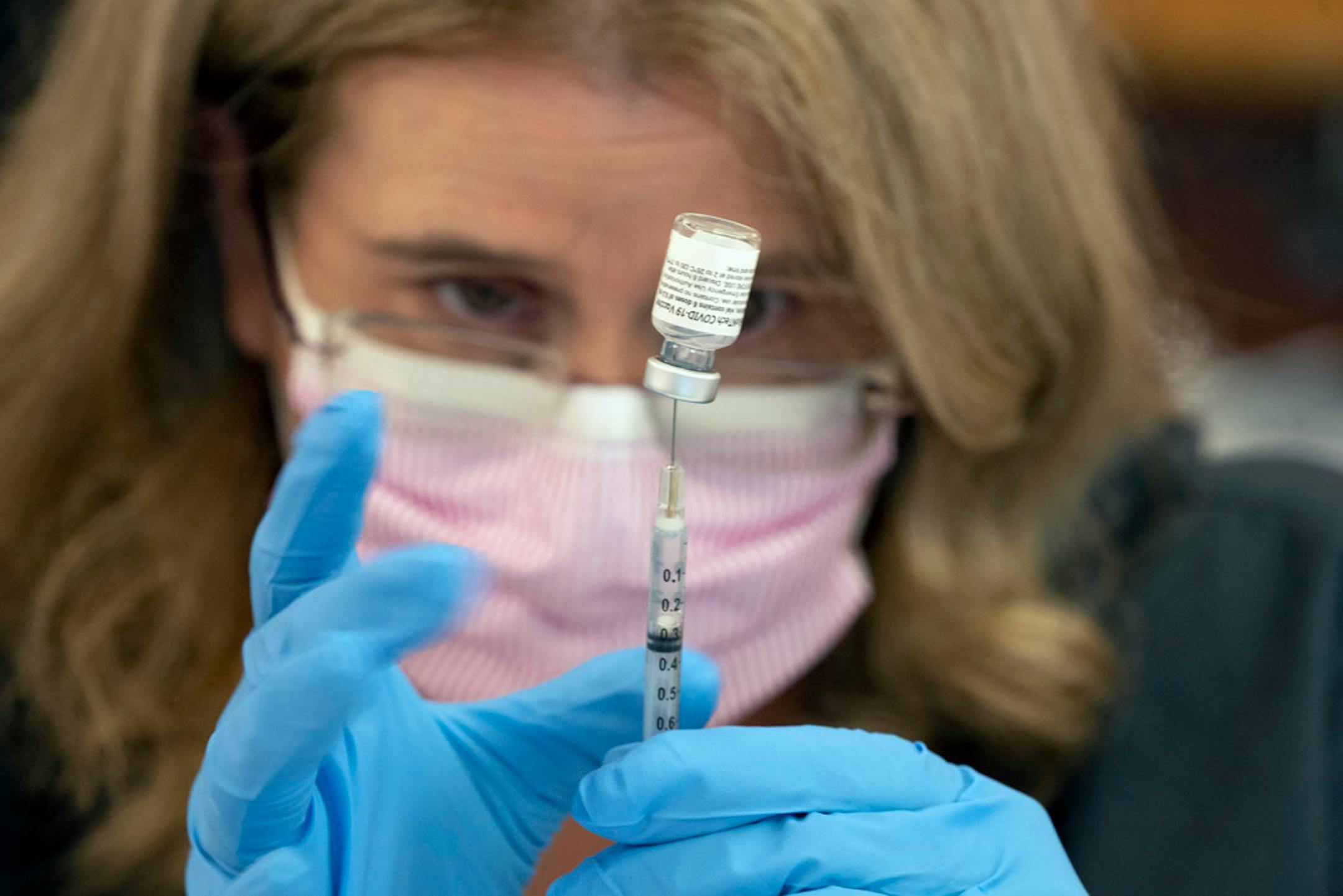
As the holiday season approaches, public health experts are sounding the alarm about low vaccination rates against the coronavirus, flu and RSV. With gatherings and travel on the rise, many people are heading into the next few months unprotected against these respiratory illnesses, which typically peak from December to February.
Experts worry that the unenthusiastic embrace of vaccines could spark outbreaks and increased hospitalizations.
As of this month, about 37 percent of adults 18 and older had received a seasonal flu shot, while 19 percent had received updated coronavirus vaccines and 40 percent of adults 75 and older — the group at greatest risk — got an RSV vaccine.
The vaccination rates are similar to last year’s figures, and the numbers reflect a persistent public health challenge achieving broader vaccine uptake for these illnesses.
In December 2023, the percentage of adults 18 and older who had received the flu vaccine was 42 percent. The vaccination rate for the coronavirus was 18 percent, and only 17 percent of adults 60 and older had been vaccinated against RSV; this year, that jumped to more than 31 percent.
Coverage was lowest in both years among people without insurance who said they are not likely to get the flu or coronavirus vaccines. People in cities and suburbs are more likely to get vaccinated than people in rural areas. Young people are less likely to be vaccinated than their elders.
About 9 percent of children younger than 18 have received this year’s coronavirus shot, while 33 percent have been vaccinated against the flu. To protect infants from RSV, vaccination is recommended during pregnancy, and monoclonal antibody treatment is advised for babies younger than eight months entering their first RSV season. As of March, 41 percent of eligible infants had received the RSV antibody treatment.
Some of the hesitancy toward vaccines can be attributed to a swarm of misinformation on social media and the internet, which, in many instances, has overshadowed public health campaigns.
