

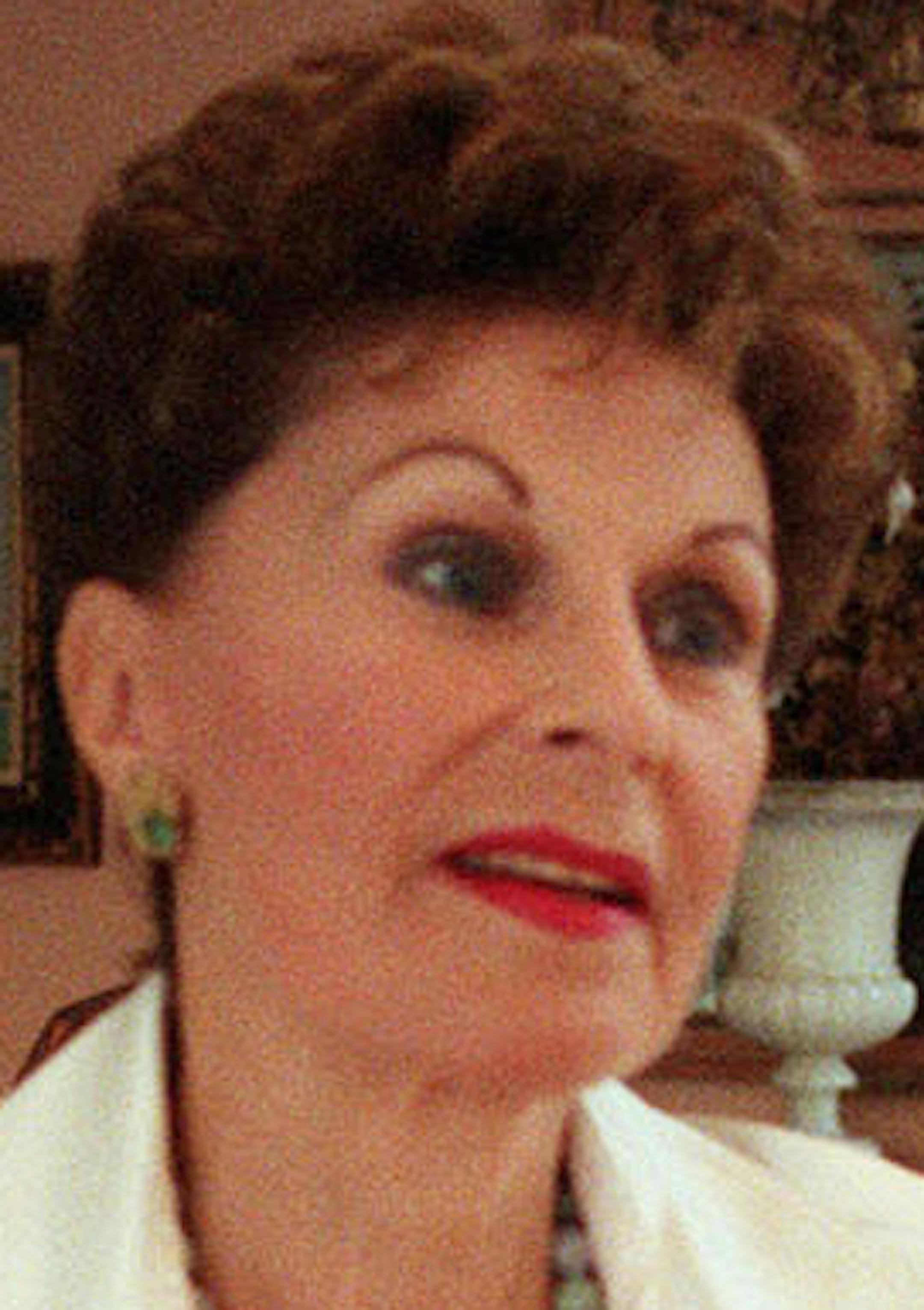
Roberta Peters, 86, the coloratura soprano who at 20 was catapulted to stardom in her Metropolitan Opera debut — her first public performance anywhere — died on Wednesday at her home in Rye, N.Y.
The cause was Parkinson's disease.
Peters, who would sing with the Met 515 times over 35 vigorous years, was internationally renowned for her high, silvery voice; her clarion diction in a flurry of languages; her attractive stage presence, and by virtue of the fact that she and TV came to prominence about the same time, her wide popular appeal.
In addition to the Met, with which she appeared regularly from 1950 to 1985 — one of the longest associations of any singer with a major opera company — Peters was heard at the Lyric Opera of Chicago, the Vienna State Opera, Covent Garden and elsewhere.
Her best-known roles include the Queen of the Night in Mozart's "The Magic Flute," Rosina in Rossini's "The Barber of Seville," Gilda in Verdi's "Rigoletto" and Oscar (a pageboy played by a soprano) in his "Un Ballo in Maschera." But her most significant role was undoubtedly Zerlina in Mozart's "Don Giovanni."
Enlisted to sing that part in 1950 as a last-minute substitute, Peters was propelled, with no rehearsal, onto the Met stage and into a stellar career.
She continued to sing in recital until well into her 70s.
At midcentury, she was seen on a string of shows, including "The Voice of Firestone," "The Mike Douglas Show" and in particular "The Ed Sullivan Show," on which she appeared scores of times in the 1950s and '60s. Later in her career, she performed in operetta and musical theater.


