

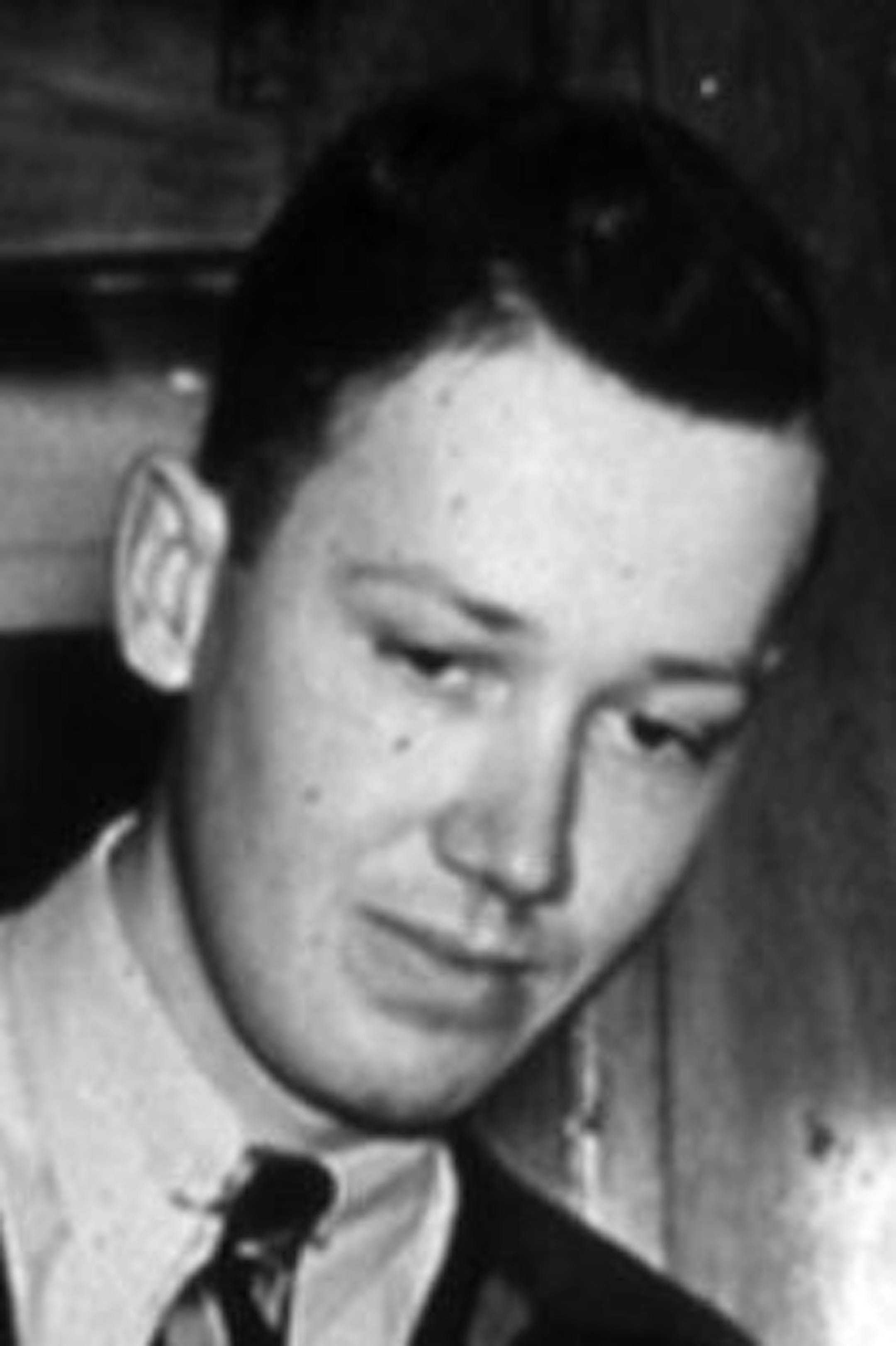
H. Boyd Woodruff, 99, a farmer's son whose groundbreaking research enabled fellow scientists to harvest an arsenal of lifesaving antibiotics from ordinary dirt, died on Jan. 19 at his home in Watchung, N.J.
Woodruff was instrumental in isolating two microbes that, while effective against tuberculosis and other infections, proved toxic to humans. But his findings in the early 1940s inspired the rapid development of streptomycin, the miracle cure used to treat tuberculosis, typhoid, plague and other diseases that did not respond to penicillin and other drugs.
"This was the eureka moment in all antibiotic discovery," Douglas Eveleigh, a professor emeritus of biochemistry and microbiology at Rutgers University, said of Woodruff's research in an e-mail Thursday.
"The pharmaceutical industry caught on very rapidly, and there followed an avalanche of antibiotics," Eveleigh said. "This was all dependent on the Woodruff proof of concept in screening for antibiotic production."
In 1942, Woodruff left his laboratory at Rutgers to join Merck & Co., the pharmaceutical giant, where he oversaw the introduction of other antibiotics, vitamins B12 and C, and riboflavin; a treatment for a rare cancer called Wilms tumor; a pneumonia vaccine, and a drug used to treat river blindness.
His mentor at Rutgers, Selman Waksman, and his Merck colleague William Campbell, who developed Avermectin for river blindness, both won the Nobel Prize in physiology or medicine.
Harold Boyd Woodruff, known as Boyd, was born on July 22, 1917, in Bridgeton, N.J.
Kevin Geer, 64, a prodigious character actor best known for his work in theater, including roles on Broadway in the 2004 revival of "Twelve Angry Men" and Warren Leight's family drama "Side Man," died Jan. 25 at his home in Manhattan.


