

Dr. Yutaka Yoshida, 104, a native Hawaiian and a son of Japanese immigrants, was working as a police officer in Honolulu when Japan bombed the U.S. naval base at Pearl Harbor on Dec. 7, 1941.
The Territory of Hawaii was placed under martial law, and constitutional rights were suspended out of fear of a possible Japanese invasion, sabotage or espionage.
Yoshida, a retired surgeon who died on Sept. 13 in Honolulu, was 29 then and a nine-year police veteran facing a wrenching task that Sunday. He was assigned to accompany FBI agents as they rounded up prominent members of the Japanese community in Honolulu, among them a Buddhist priest.
"Even though it was his job, he still cannot forget how sad it was to point his gun at the tiny old Issei priest," wrote Masayo Duus, who interviewed Yoshida for "Unlikely Liberators," a history of Japanese-American soldiers in World War II originally published in 1983.
"It was a story he always told us," his daughter, Ann Yoshida, said in an interview Tuesday. "It was a moment of tremendous conflict for him."
Japanese aliens, as well as Japanese-Americans born in the United States, were removed from the West Coast as supposed security threats in the war's early stages and sent to remote internment camps. Yoshida had cousins in California who were interned there.
But he volunteered for Army service and in March 1943 joined the newly formed 442nd Regimental Combat Team, a Japanese-American unit remembered today for extraordinary bravery in fighting the Germans in Italy and France. He was wounded during the Italian campaign and, in separate engagements, received a Silver Star and a Bronze Star for bravery under fire.
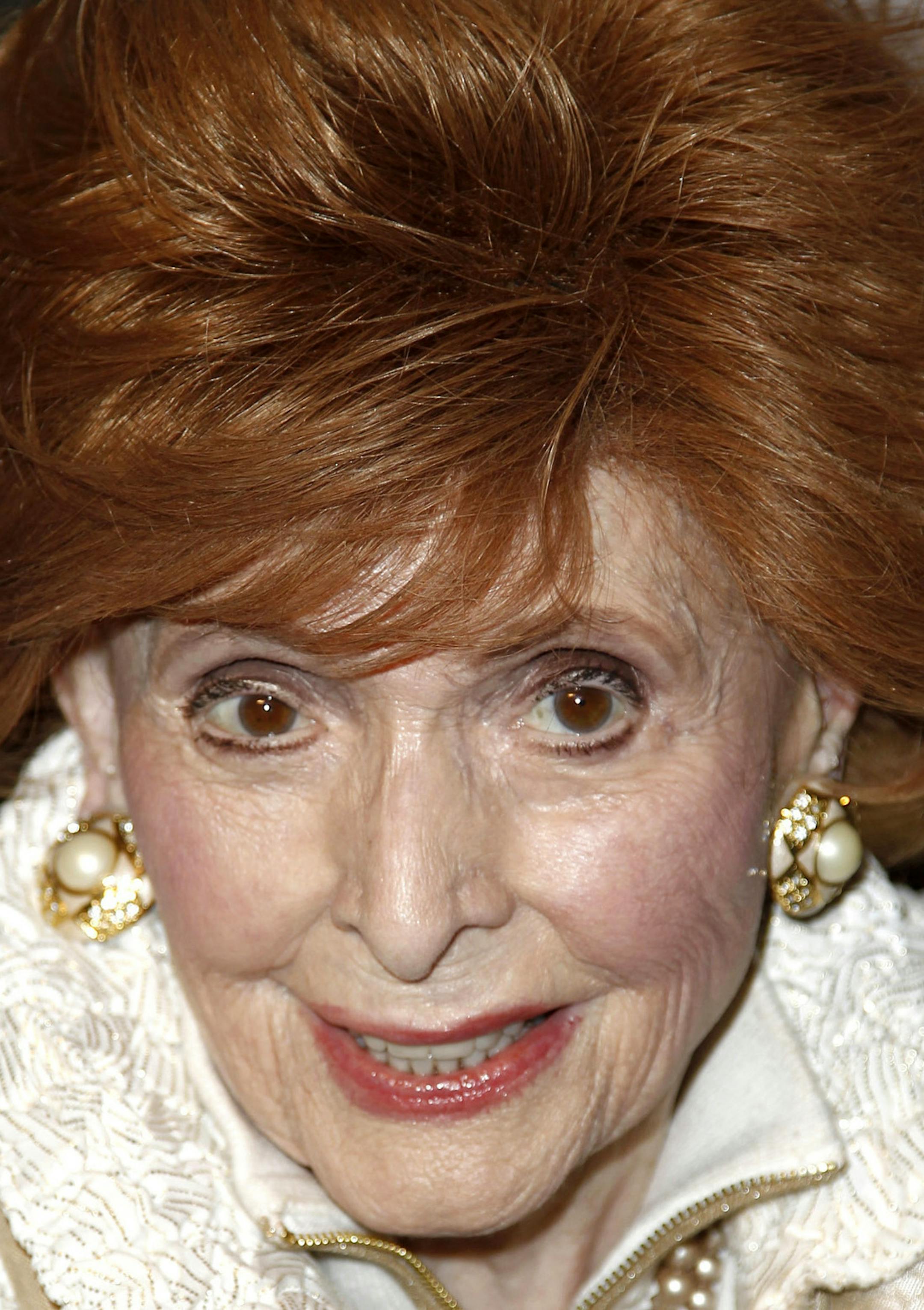
Patricia Barry, 93, a prolific TV actress who appeared in more than 100 series and movies, died Tuesday at her home in Los Angeles.


