

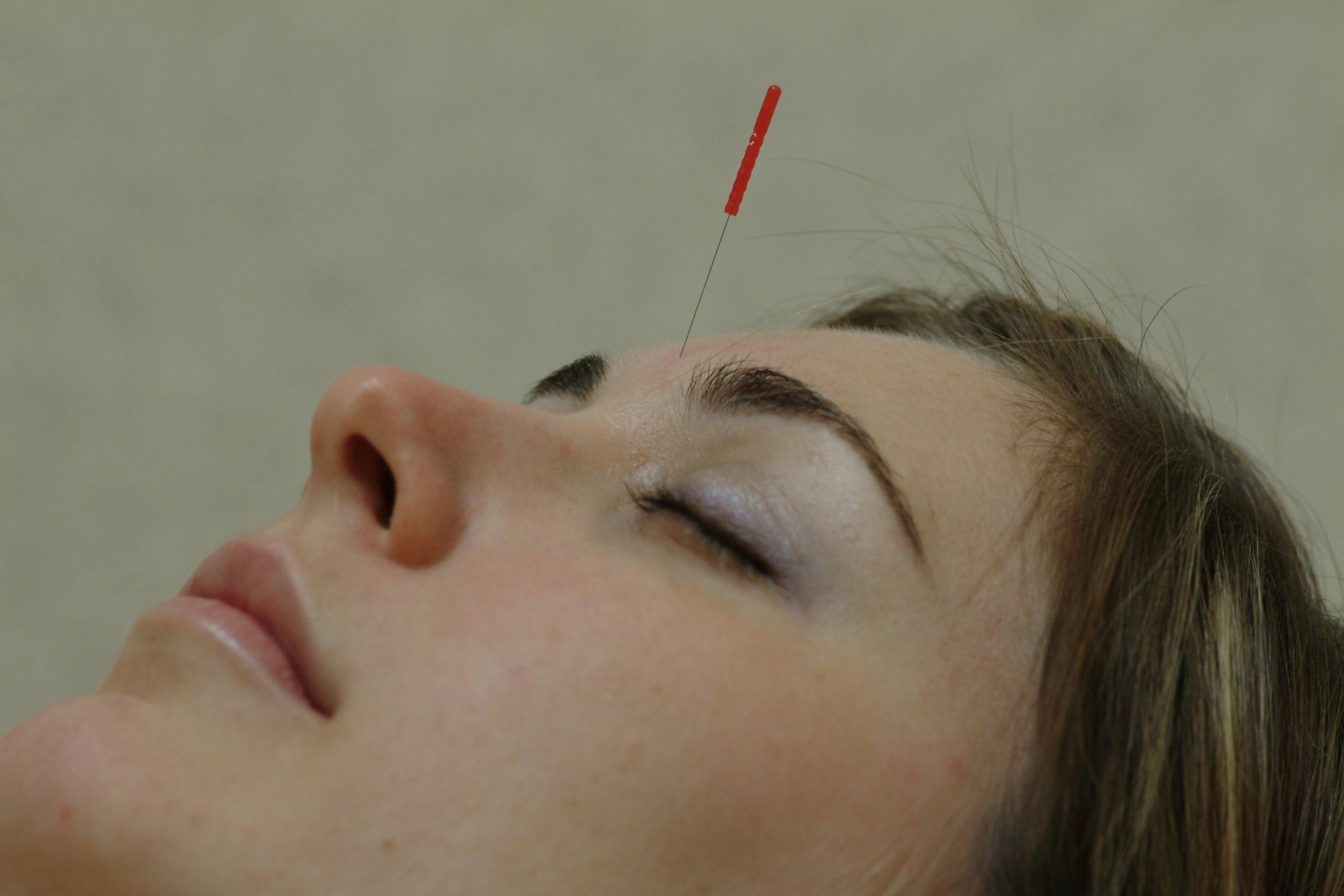
Acupuncture, medical massage and other alternative therapies provide cancer patients significant relief from pain and anxiety, according to physicians at Allina Health in Minneapolis, raising the prospect that they could someday begin to replace the potent and addictive narcotics widely used in U.S. medicine.
So-called integrative therapies reduced self-reported pain levels by 47 percent and cut anxiety levels by 56 percent for cancer patients at Allina's Abbott Northwestern Hospital. The Abbott study is the largest of its kind for cancer patients and was set for publication Tuesday in the Journal of the National Cancer Institute Monographs.
"Theoretically, these therapies can be as effective as medications, which is the next step of our research," said Jeffery Dusek, research director for the Penny George Institute for Health and Healing, which is located within Abbott.
Integrative therapies have gained popularity among patients in recent years, but there has been limited clinical evidence to prove they work. Allina created the Penny George Institute to provide alternative therapies at no additional cost to patients, but also to conduct the research that could help bring the therapies into the mainstream.
Integrative medicine could prove its worth financially under federal health reform, which increasingly will pay hospitals by overall patient outcomes rather than by the volume of tests, procedures and other services, Dusek said. If approaches such as mind-body relaxation and acupressure reduce the use of costly drugs, for example, they could end up paying for themselves. Reduced use of narcotic drugs can also cut the risk of drug-induced respiratory distress and painkiller addiction.
However, reducing drug use isn't always a helpful goal to suggest to patients, said Chandler Yorkhall, an integrative medicine practitioner at Abbott. Patients might inflate their self-reported pain scores after massages or other therapies so caregivers don't get the idea of reducing their pain medications.
"People hang on to their [pain] numbers," he said, in a way that could even undercut the effectiveness of integrative medicine in research.
Instead, practitioners often seek to build trust with each patient and then help people relax in ways that aid healing and help the body respond better to medication, Yorkhall said. He cited one 59-year-old colon cancer patient at Abbott whose main source of anxiety hasn't been the cancer itself, but rather the fear that she will no longer be able to take care of her aging mother or baby-sit her grandkids.


