

Workers have been losing their jobs to machines in the name of productivity and efficiency since the beginning of the Industrial Revolution.
But the pace of automation, 200 years later, is truly extraordinary.
I was reminded of that last week when I took my first overseas trip since the pandemic began.
For the first time, I didn't see anyone around to help me when I arrived at Los Angeles International Airport and checked in for my flight at a self-serve kiosk. In the past, there's always been someone there to assist the technologically incompetent.
It was the first time I didn't hand my boarding pass to a human as I filed onto the plane. I merely scanned it and walked through an automatic turnstile, with no one present to check on me.
Returning home from Frankfurt, Germany, I printed my own luggage tags from a machine and then hoisted my bag myself onto an unmanned conveyor belt, where it was security-checked by a machine rather than a person and sent on its way. This is what the industry calls a "self-service bag drop solution."
I can't be sure, but based on what I've read, it's possible that at both airports, my suitcase was conveyed to the plane not by workers but by robots. (Will that help reduce the number of bags delayed, damaged or lost each year — 24.8 billion of them in 2018?)
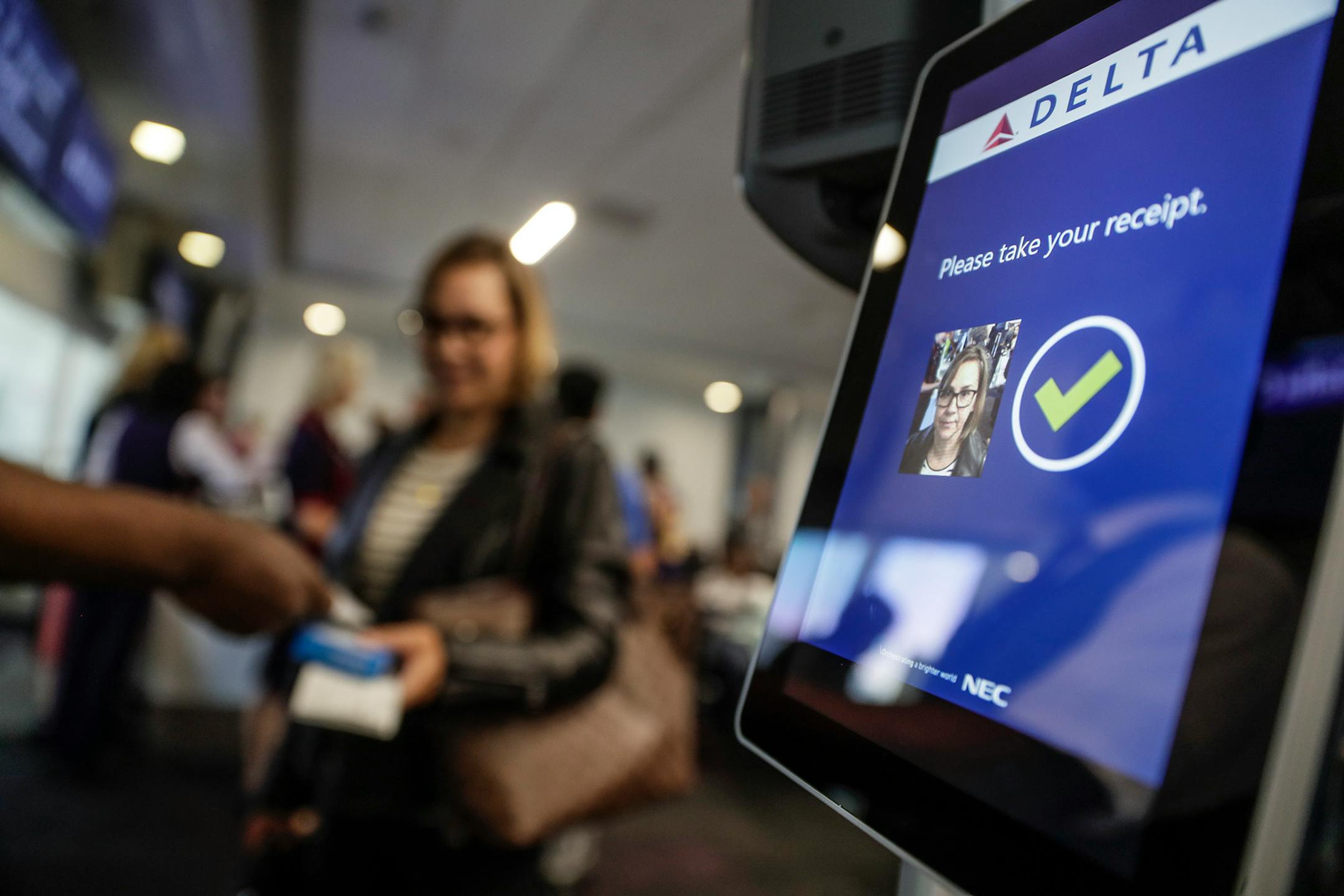
Coming back through passport control at LAX, I stopped at yet another self-service kiosk. The machine took a photo of me, identified me from the image and OKd me for entry into the country. The ID was done through "biometric facial comparison technology" and involved no fingerprints, no passports, no questions. At the end, I handed a piece of paper to a guy who barely looked at it, saying only, "Welcome home."


