

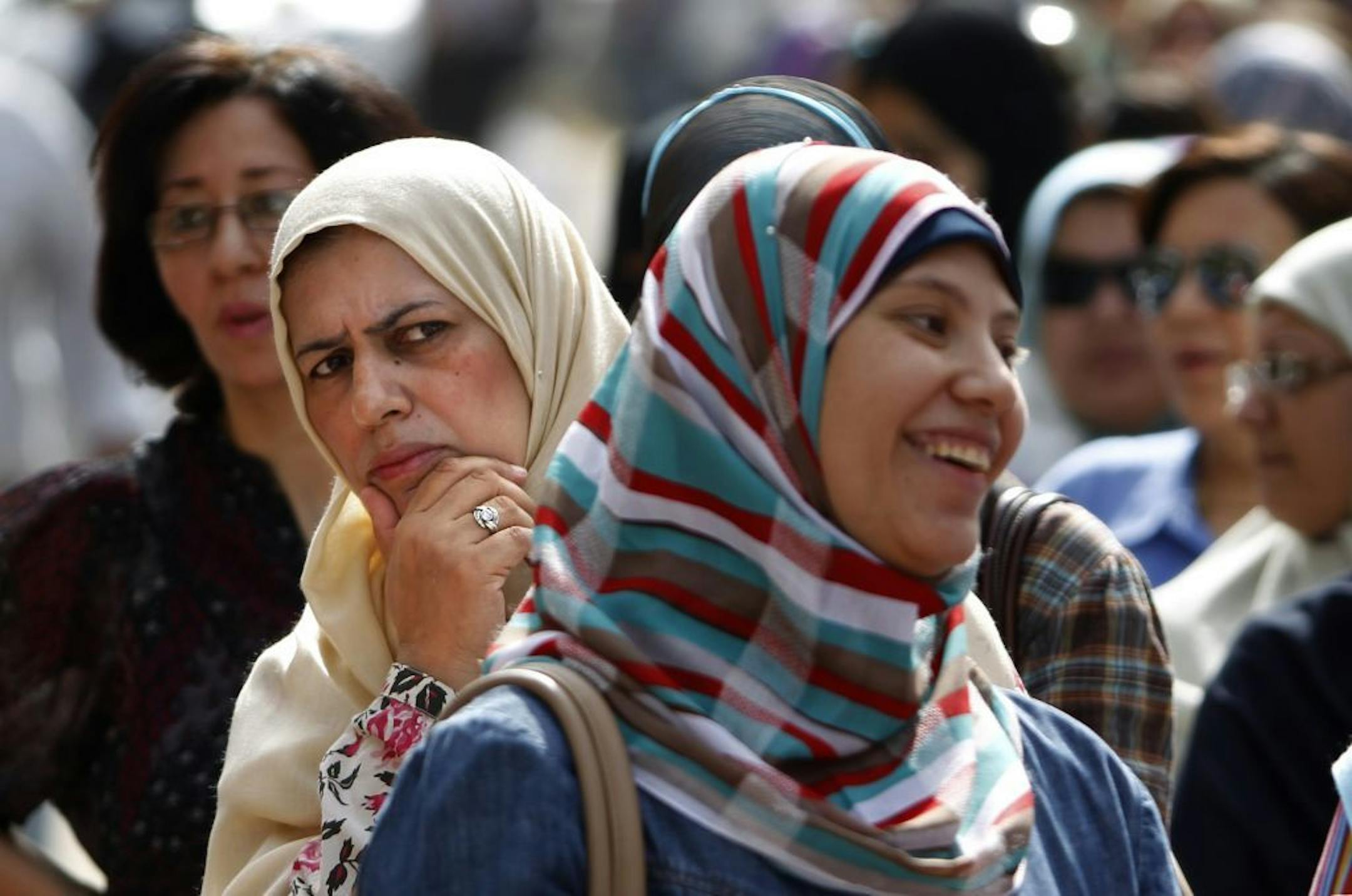
The Arab Spring was the easy part. What happens next in the Middle East will be the tough part -- and it will be a long time before outcomes are clear.
On my many assignments in the Middle East for this newspaper, I watched young Arabs -- 60 percent of the Arab world is under 30 -- communicate across the region with laptops, cellphones and their endless derivatives in a way never before possible. So it was no surprise when they got together to overthrow the oppressive governments that had denied them jobs, political freedom and dignity. Accomplished relatively peacefully in Egypt, Tunisia and Yemen. With Western military help in Libya. Other Arab governments -- Saudi Arabia and the smaller Persian Gulf states -- have been shaken as well.
Unfortunately, these developments have been regarded by some as evidence of declining U.S. power and influence, given that U.S. governments had supported many of the overthrown regimes in the interest of regional stability. Wait a minute. How about another take on this? Namely that what has been happening in much of the Arab Middle East is totally in line with what the United States has been proclaiming since its founding -- that all people are entitled to be free and to choose their own government. Accordingly, should we not be leading the cheers rather than wringing our hands about our supposed decline? After all, democracy is spreading throughout the world. Sixty percent of the world's approximately 195 nations now participate in the basics -- free, fair, multiparty elections that actually decide who the leaders are to be. A substantial representation of democracies exists in every region except the Middle East.
So now it is the Middle East's chance, after an encouraging revolutionary start. As I said, however, this is the tough part.
So far, early results are mixed. In Egypt, which considers itself the leader of the Arab world, the Islamic Brotherhood election victory was tainted by the failure of secular parties to unite in opposition. The new civilian government is trying to write a new constitution with the military looking over its shoulder and protests coming from women and other groups complaining that human rights are being denied. Outcome uncertain. Tunisia is settling in reasonably well. Yemen's future is uncertain, with a new leader but terrorist and economic problems remaining. Libya is still unsettled and violent. In Syria, blood-letting escalates despite world opinion that the suppressive minority Assad regime must go.
Other issues make the Middle East ever more complex, potentially more dangerous:
• Israeli-Palestinian peace negotiations have been pushed further to the sidelines.
• Iranian nuclear development is a growing concern, even though the Iranians say it is not for a bomb.


