

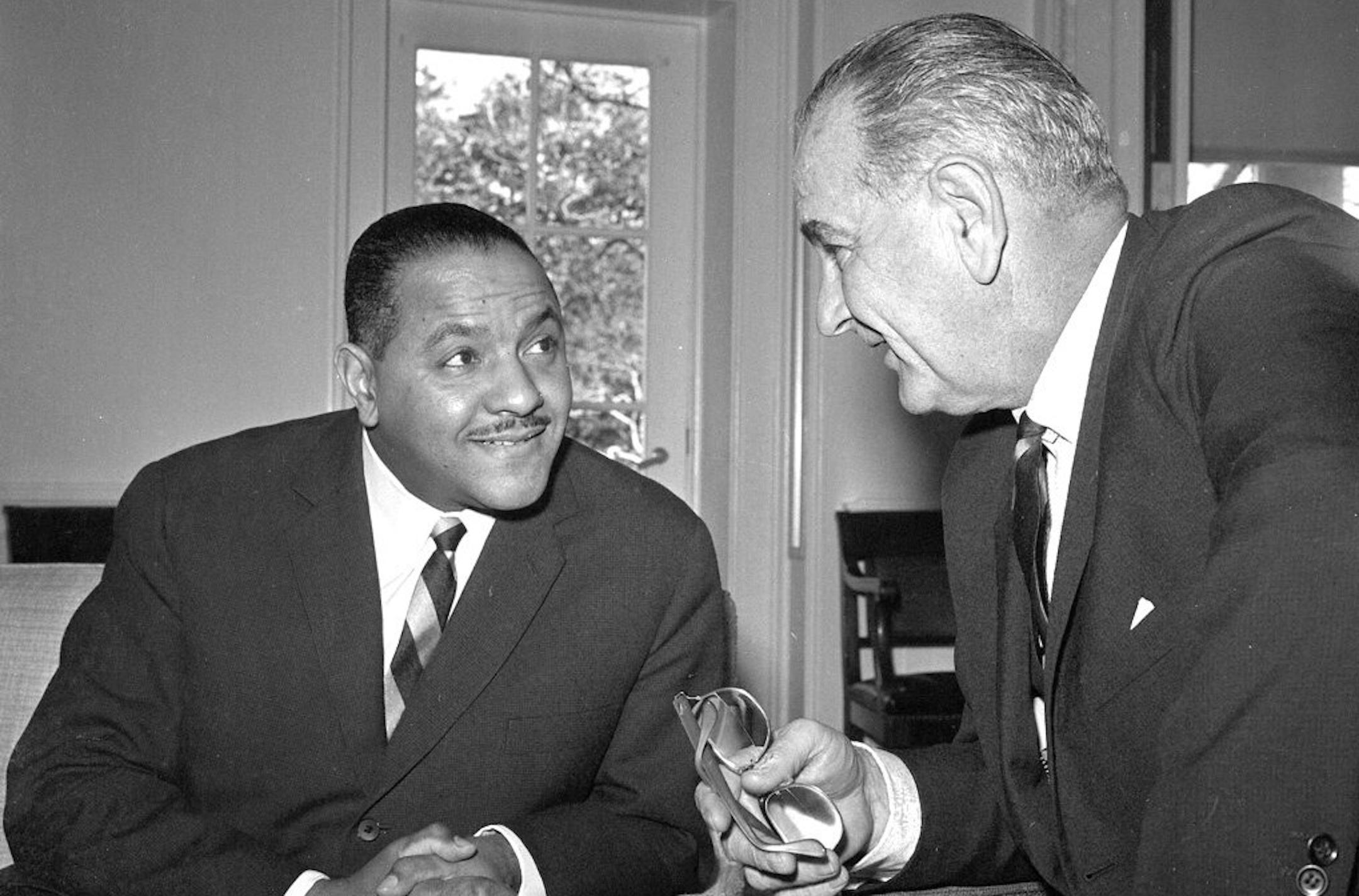
Carl Rowan grew up the oldest of five siblings in Tennessee during the Great Depression, in a house without electricity, running water or even toothbrushes.
He went on to become one of the first Black commissioned officers in the U.S. Navy, parlaying the GI Bill to attend Oberlin College in Ohio before earning a graduate degree in journalism from the University of Minnesota and joining the Minneapolis Tribune in 1948. He rose from there to become one of the country's most prominent journalists of color and a high-ranking diplomat with the U.S. State Department under presidents John Kennedy and Lyndon Johnson.
"In a lot of ways he was a small-town kid from Tennessee," attorney Carl Rowan Jr. said when his father died in 2000, "and every day he got up he was surprised by how far he had come."
Rowan was probably never more surprised than when he found himself in a late-winter sauna in Virginia, Minn., in 1963. Then 37, he'd been tapped by Kennedy to serve as the U.S. ambassador to Finland. Iron Range Finns invited him to sweat with them "to see if you can take it, if you're fit for Finland," as one of the organizers said.
When someone in the sauna tossed a ladle of cold water on the hot rocks, a perspiring Rowan quipped: "If you're going to throw anything on those rocks, make it bourbon." He joked that he enjoyed his sauna indoctrination so much that he was "going to have another next year."
Rowan's improbable rise from poverty to international diplomacy is the focus of a PBS documentary premiering Feb. 15. Called "The American Diplomat," the hourlong show features Rowan as one of three African-American ambassadors who "would challenge the foundations of American diplomacy and try to change the way America represented itself to the world."
Rowan recounts a 1951 meeting with Tribune editors, when he suggested "that we had a responsibility to tell the people of this state something about the Negro citizens of this nation." His ensuing 18-part series — "How Far From Slavery?" — became "a sensation and made Rowan's career," according to the PBS program.
By New Year's Day in 1961, Rowan had become so well known that Kennedy's aides woke him up in Pasadena, Calif., where he had gone to watch his Golden Gophers battle the University of Washington Huskies in the Rose Bowl.


