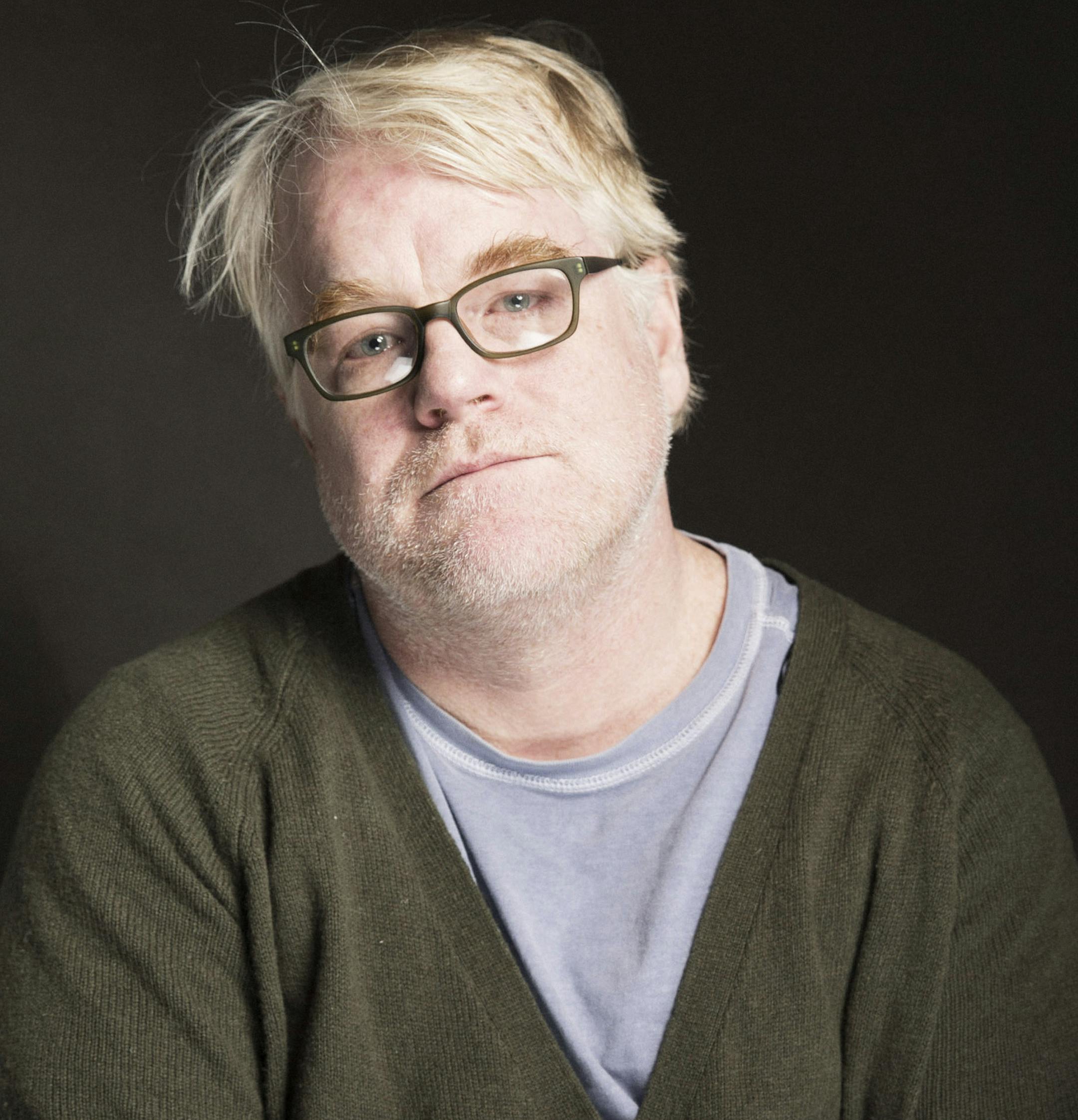
Philip Seymour Hoffman's death from a presumed overdose Sunday shocked people who knew about how successful he'd been in battling his addiction issues. Treatment professionals, however, rarely are surprised by news about a relapse.
"You can't take your sobriety for granted," said Dr. Marvin Seppala, chief medical officer at Hazelden. "This is a lifelong illness. People have got to stay wary for the rest of their lives."
It will take an autopsy to determine the official cause of Hoffman's death, but heroin was found in his New York City apartment, and the friend who found his body told police that there was a syringe still in his arm.
Hoffman, 46, often talked about being addicted to drugs in his early 20s, but said he had kicked the habit and stayed clean and sober for 23 years. Early last year, however, the Oscar-winning actor checked himself into rehab for what was described as a problem with pain pills.
It's a classic relapse pattern, Seppala said.
"The biggest period for relapses is the first six to 18 months" after rehab, he said. "But then it drops over time, getting easier [to stay sober] the longer you go. You rarely see this situation with people over 20 relapsing."
Unless something happens — and that something often is taking pain medication.
"We see this scenario regularly," he said. "There are times when you need to take a pain pill — you had surgery or a broken leg and there just isn't any other option. If you get other people's support and you don't alter the dose and you stop taking them right when the pain is gone, you can safely do it. But it's still a significant risk."