

"Margaret, are you grieving / Over Goldengrove unleaving?"
That's 19th-century English poet Gerard Manley Hopkins, in his poem "Spring and Fall: To a Young Child."
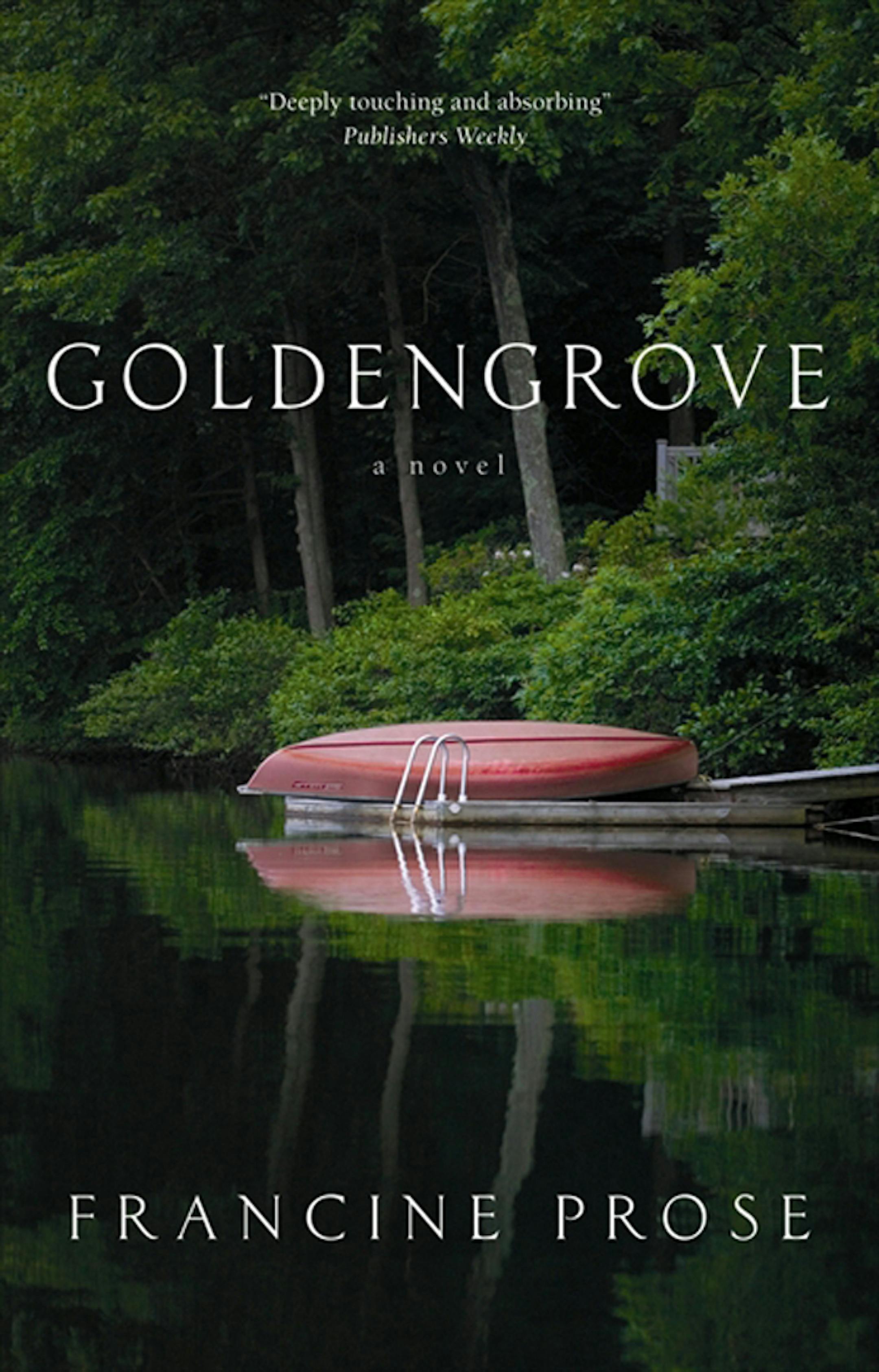
Francine Prose uses the poem as the epigraph of her 15th novel, "Goldengrove" (Harper, 288 pages, $24.95), Margaret is a daughter at the center of the book, Goldengrove is the bookstore owned by the girl's family, and grief over the girl's death is the book's obsession.
Think of "Cold Mountain" and "The Odyssey." The canonical is supposed to lend highbrow credibility to the contemporary, and the contemporary often needs all the literary street cred it can borrow and steal.
That's true in "Goldengrove," which feels like a bid by Prose to hit the sweet spot between pop appeal and literary respectability.
It's not giving anything away to mention Margaret's death, which happens early in the book. Prose's project is not a portrait of Margaret, but of her family's unraveling in the wake of her death. Margaret is a poet, a singer, "willowy and blond" with an edgy boyfriend and a secret life, idealized by her younger sister, "pudgy, awkward" Nico.
"The lake breeze carried her perfect smell," Nico, the narrator, recalls. "She smelled like cookies baking. ... I still smelled dusty, like a kid."
When Margaret sang a standard such as "My Funny Valentine," Nico says, "it was always pure sex. When she sang, 'Stay little valentine, stay,' it sounded like honey, like grown-up female code-speak for 'Please, have sex with me, please.' ...


