
A sense of nostalgia already

The fastest men -- Michael Phelps and Usain Bolt -- stood out, but some little things meant a lot, too.

August 24, 2008 at 4:06AM
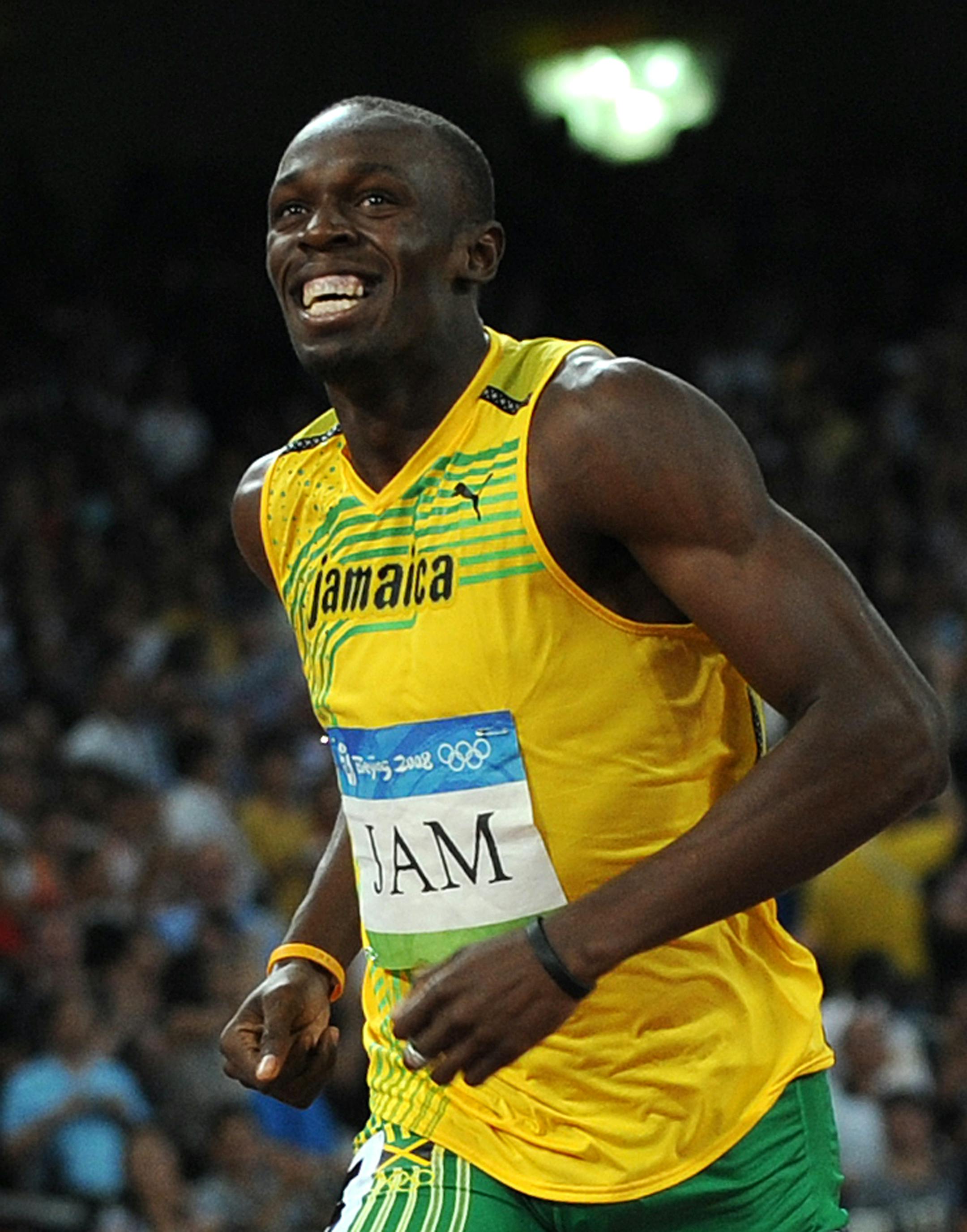
Jamaica's Usain Bolt celebrates after winning the men's 4x100m relay final.
Jamaica's Usain Bolt celebrates after winning the men's 4x100m relay final. (AFP/Getty Images/The Minnesota Star Tribune)

BEIJING - The two premier athletes at the Beijing Olympics propelled their bodies faster than anyone ever had. And that's what the Olympics are, at heart -- a test of the human body.

Usain Bolt became the first man ever to break world records in the Triple Crown of sprinting, the 100 meters, 200 meters and 400-meter relay. The Olympics are track, and Bolt dominated the premier events, making 91,000 fans rise in wonder.

"It's wonderful," Bolt said. "You can't explain the feeling you feel after the greatest Olympics ever."

Maybe Michael Phelps can. Phelps embraced the title of greatest Olympian ever with eight gold medals in eight events, winning once by a hundredth of a second, then wondered whether competing in another Olympics would be wise.

"I have reached a place in my life where I need to sit down and say, 'Well, what do I do? What's best for me?'" he said.

Bolt and Phelps became the headliners of the world's most diverse sporting events, but when you spend three weeks in China you are drawn toward smaller moments, too, moments remindful of what these people put themselves through to compete in front of the world.

You remember the battered faces of the women wrestlers, the puffy eyes and scratches on their necks, as their coaches consoled them.

You remember New Ulm wrestler Ali Bernard, crushed by losing her bronze medal match, knowing she's four long years from getting another shot.

You remember watching the women's marathon and seeing a runner sprint to the side of the road, squat to urinate, then resume running.

You remember the climax of the women's heptathlon, with the competitors who had finished their last event waiting near the finish line to cheer their rivals, and then all of the women taking a victory lap together in the spectacular Bird's Nest.

You remember the American sprinters having been blown away by Bolt pacing through the reporter-athlete mixed zone, unable to find words to describe the young man who should dominate track for years.

You remember the legion of young volunteers manning the venues -- and even the bathrooms -- all over Beijing, smiling incessantly and putting up with one of the world's most crotchety demographics -- weary journalists.

You remember one volunteer in particular, after telling reporters they had to switch buses -- requiring a 20-foot walk -- apologizing in one long stream, saying, "Sorry, sorry, sorry, sorry, sorry, sorry, sorry, sorry ..." until the new bus had started.

You remember being stunned by the vastness of Beijing, how you can drive for a half-hour in any direction and see no sign of horizon, no end to the new construction.

You remember venturing to the Great Wall and staring uncomprehendingly at an elaborate manmade 50-foot structure atop a sheer mountain.

You remember struggling through the merchants on the way down from the wall, having to fight your way out of their grips.

You remember a small French-Vietnamese restaurant near the beach volleyball venue that provided the two best meals of the stay for less than you'd pay for McDonald's in the States.

You remember Duluth's Kara Goucher leaping into the air to show just how much energy she had saved by not pursuing the leaders in the 10,000 meters, admitting she'll be angry with herself for years.

You remember Chinese fans banging noise sticks and chanting "Chi-na!" or a cheer meaning "add fuel." And the Chinese went high-octane, dominating the gold medal count.

You remember Hugh McCutcheon fighting through his concerns for his family to coach the men's volleyball team to the gold medal game. After his in-laws, the Bachmans, were stabbed in Beijing, he had to balance reaching the apex of his professional life with experiencing what may be the toughest month he'll ever have personally.

You remember the dense smog that descended on the city our second day here, and how the oppressive haze, heat and humidity seemed to dissipate just in time for the biggest outdoor events, perhaps because of cloud seeding by the Chinese government.

You remember that while they are incredibly polite and cheerful, the Chinese love their rules. If they ever invade, just put up a stop sign, and that'll stop 'em cold.

You remember national hero Liu Xiang pulling up in his heat in the 110 meter hurdles, leaving a nation in mourning.

You remember Kobe Bryant becoming the Olympics' foremost celebrity, showing up at other events on most days.

"Why wouldn't he be?" said U.S. teammate Dwight Howard. "He's Kobe Bryant!"

You remember U.S. volleyball coach Jenny Lang Ping's calm and class, the Beijing native thanking all of China for its support. "I have," she said, "too many thanks."

Most people will remember Phelps' eight goals and his status as the dominant American of this Olympics and the best swimmer ever.

Me? I'll take Bolt's performance, destroying world records in the purest of events, then dancing around like the joyous kid he is.

He is the fastest man in the world, and he figures to hold that distinction when he takes the track in London four years from now.

"This," he said, "has been a blast."

Jim Souhan can be heard Sundays from 10 a.m.-noon on AM-1500 KSTP. • jsouhan@startribune.com

about the writer

about the writer

Jim Souhan

Columnist

Jim Souhan is a sports columnist for the Minnesota Star Tribune. He has worked at the paper since 1990, previously covering the Twins and Vikings.

See Moreicon

More from Minnesota Star Tribune

See More
card image
J. SCOTT APPLEWHITE, ASSOCIATED PRESS/The Minnesota Star Tribune

The "winners" have all been Turkeys, no matter the honor's name.

In this photo taken Monday, March 6, 2017, in San Francisco, released confidential files by The University of California of a sexual misconduct case, like this one against UC Santa Cruz Latin Studies professor Hector Perla is shown. Perla was accused of raping a student during a wine-tasting outing in June 2015. Some of the files are so heavily redacted that on many pages no words are visible. Perla is one of 113 UC employees found to have violated the system's sexual misconduct policies in rece