

Cain and Abel. Joseph and the siblings who sold him into slavery. From biblical times through today, stories about betrayal and deadly competition among brothers abound.
But rarely have the stories been told as they are in "The Brothers Size," celebrated playwright Tarell McCraney's urban take on age-old fraternal tensions.
The drama, which opens Saturday at the Guthrie Theater in a co-production between Pillsbury House Theatre and the Mount Curve Company, is the second in a trilogy. It follows the potent, evocative "In the Red and Brown Water," produced last year at the Guthrie by the same team, including Tony-nominated director Marion McClinton.
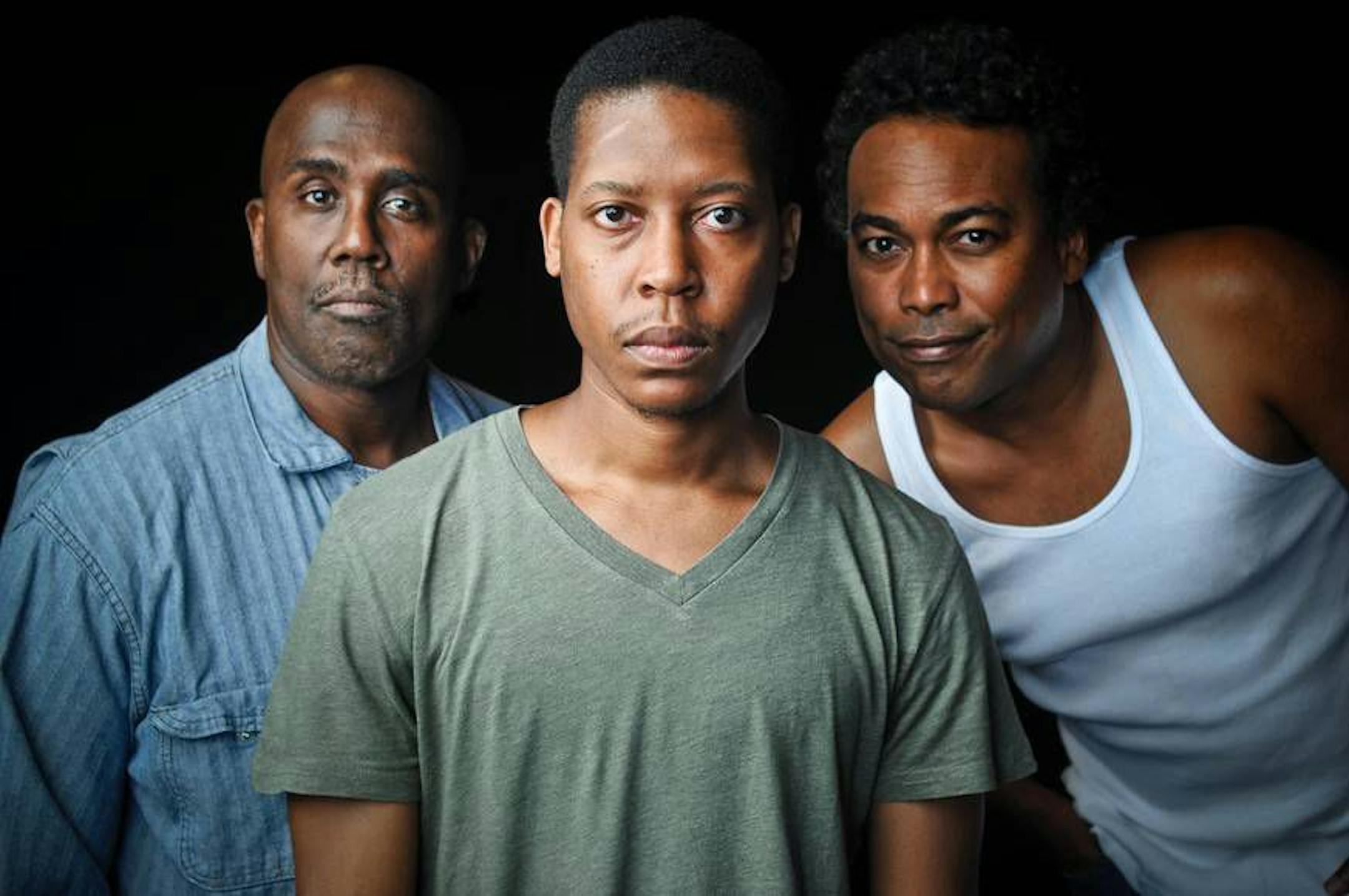
Set in the Bayou, "Brothers Size" is about love, forgiveness and the quest for freedom. It revolves around auto mechanic Ogun (James A. Williams) and his brother, Oshoosi (Namir Smallwood), who recently has been sprung from prison. Oshoosi's prison mate, Elegba (Gavin Lawrence), who, in the parlance of poet Gwendolyn Brooks, is "family in the large," also is part of the action. Outside of the pen, Oshoosi and Elegba struggle to stay on the straight and narrow, even as they feel trapped by their shared incarceration.
"I had to live through some of the issues in the play with my own brother," said McCraney from London, where he was putting the finishing touches on his latest work, "The Choir Boy."
"I had to listen to him as he tried to find work. Wherever he went, they would say, 'Well, you have a record.' We're beyond that now, but for millions of people trying to find work and re-enter society, that situation is really complicated."
"Brothers Size" focuses less on the physical marks of incarceration, than on the men's interior lives. The action moves between the past and the present, dream space and reality.
"I wanted to show how lives are changed by the prison system," said McCraney, 31, who wrote "The Brothers Size" in 2007, the same year he graduated from the Yale School of Drama and won the Cole Porter Playwriting Award. A London production of "The Brothers Size" was nominated for an Olivier Award, Britain's Tony. "Young men come out and for the rest of their lives, it's like they went to war. They can't sleep well. They keep wanting to run because the prison has built a space inside them, and they will do anything to escape."


