

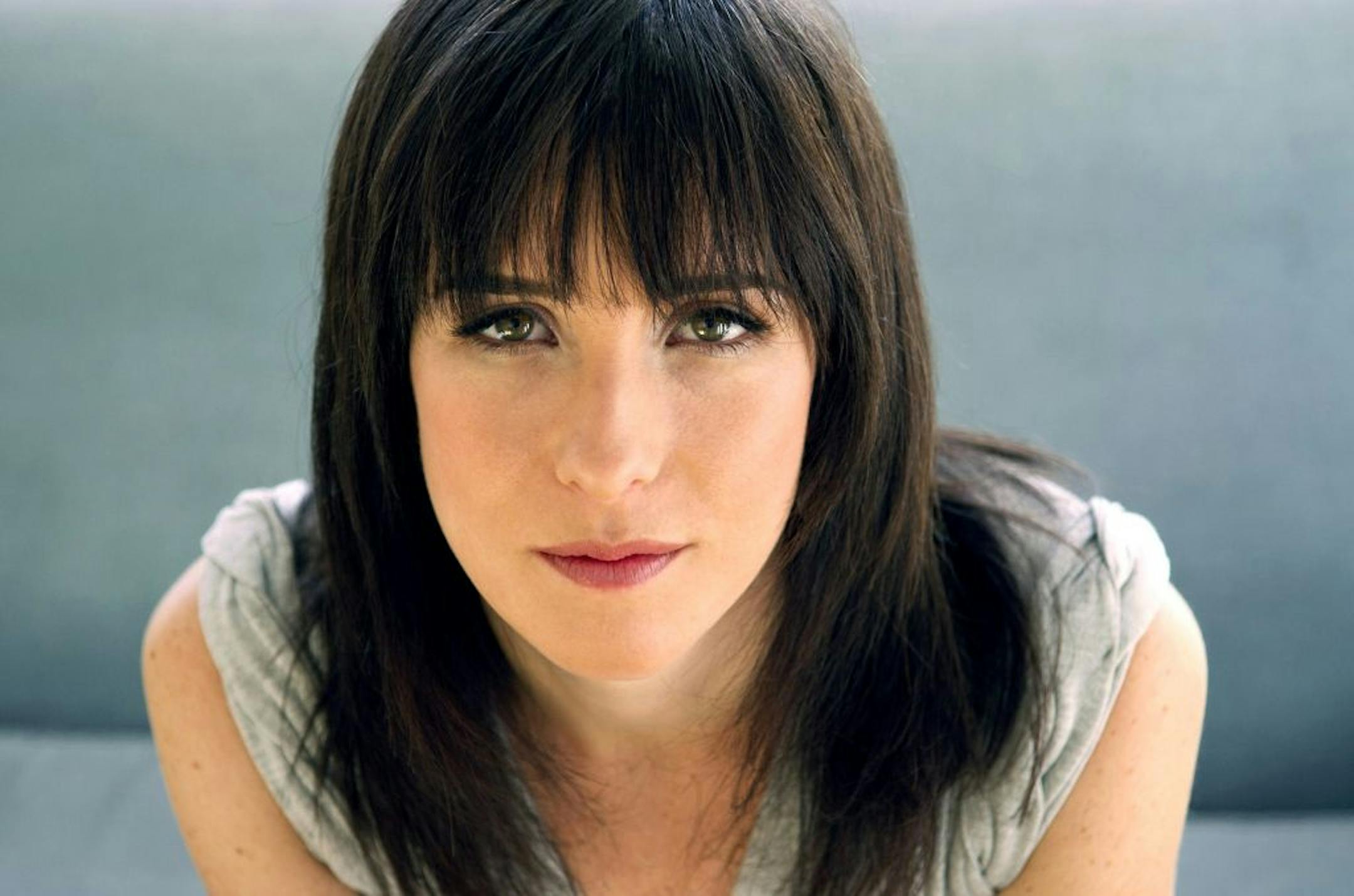
On Christmas Day 2008, Meghan O'Rourke's mother passed away at the age of 55. "Nothing prepared me for the loss of my mother," she writes in her affecting memoir, "The Long Goodbye." "Even knowing that she would die did not prepare me."
In the wake of her loss, O'Rourke, a poet and a culture critic for Slate, was struck by the loneliness of grief. "The rituals of public mourning that once helped channel a person's experience of loss have, by and large, fallen away. Many Americans don't wear black or beat their chests and wail in front of others," O'Rourke writes. "In our culture of display, the sadness of grief is largely silent."
With "The Long Goodbye," O'Rourke joins the small cadre of writers who have worked to break this silence: C.S. Lewis, Joan Didion and, more recently, Joyce Carol Oates and Jill Bialosky. Through the lens of her particular loss, O'Rourke explores our cultural malaise surrounding grief and challenges our received ideas about it, puncturing Elisabeth Kübler-Ross' specious model of the five stages of grief.
The first section of the memoir chronicles her mother's heartbreaking decline, from her diagnosis of Stage 4 colorectal cancer to her final days of at-home hospice care. During this 21/2-year period, O'Rourke's relationship with her mother deepens as she accompanies her to appointments with a series of improbably named doctors: Dr. Nougat, Dr. Chi and Dr. Malefatto, which "traced to Italian roots, sounded a lot like Dr. 'Wrongdoing' or Dr. 'Badly Done.'" (Even in the book's bleakest moments, O'Rourke never loses her capacity for gallows humor.)
The remainder of the book is given over to O'Rourke's meditations on grief -- its tone a little less immediate, a little more cerebral. She draws upon fiction, poetry and memoir, as well as clinical studies and critical essays, to cast light on the bereaved condition. Personal memoir and cultural critique blend beautifully in O'Rourke's prose. Her instinct-led investigation meanders at times, taking her to blighted Detroit where she finds an urban metaphor for abundance in abandonment, but it also demonstrates grief's ubiquity.
Early in the book, O'Rourke makes clear that she does not consider her bereavement special. "On the contrary: I believe that my grief was an everyday one," she writes. But even if her grief isn't extraordinary, her ability to map its rugged terrain is. A first-rate writer and clear-headed thinker, O'Rourke has written a powerful and compelling memoir, valuable to readers on both sides of bereavement's stark dividing line.
- Minnesotan Megan Doll now lives in New York.


