

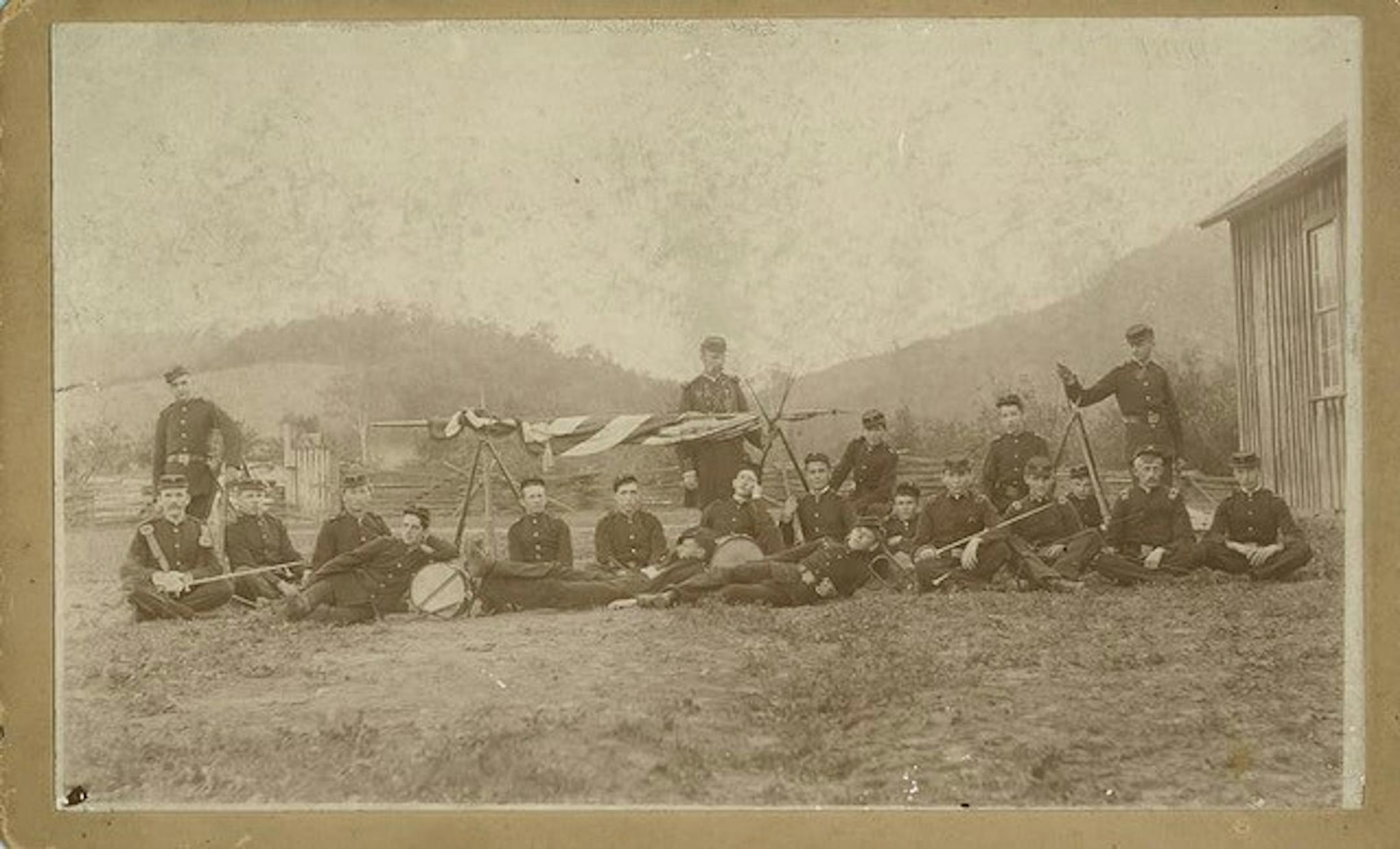
Thomas Barnes worked as a lumber camp cook in northern Minnesota in 1867-68, seasoning beans with salt pork and burying a covered kettle beneath hot coals overnight. He'd use reflectors around an open fire to cook pies, biscuits, cookies, even apple jelly tarts.
"The timber men all respected me for my devotion," Barnes wrote in his memoir shortly before his death 100 years ago. "In the morning, breakfast ready; coffee boiling, beanhole uncovered, biscuits browning."
At night, after the lumberjacks were done playing games and had gone to bed, Barnes would read a Bible chapter and bow in prayer. If only they'd asked him about his life.
Born in England in 1842, Barnes immigrated with his family to Brooklyn when he was 10 and later moved to Indiana. Railroad work brought him to Iowa and then Minnesota, where his father owned farmland near Cannon Falls.
Barnes was harvesting grain with his brother when a man on horseback told them "the Civil War was on." Enlisting as a private at Fort Snelling at 20, Barnes joined Company C of the Sixth Minnesota Infantry only days before the U.S.-Dakota War erupted in the southwestern part of the state.
He was part of a burial detail camping near Birch Coulee on Sept. 2, 1862, when Dakota fighters surprised the soldiers at dawn, killing 13 and almost all the camp's horses. It was considered the Dakotas' most successful engagement before U.S. reinforcements turned the tide in the bloody six-week war.
"We were all green boys. I hadn't been a soldier ten days; just off the farm," Barnes wrote, recalling the tangle of dead horses and soldiers: "Bodies bloated with the hot sun."
Barnes was 74 when he wrote his aptly titled 38-page memoir, "Recollections of an Eventful Life." But his life nearly ended before he turned 21, when a Dakota bullet at Birch Coulee struck him in the chest and "spun me around like a top."


