Haze washes a drab, gray film over the Arkansas Delta. Now and then a puff of wind scoops up some grit from dusty fields and flings it into the air, adding to the sultry day's discomfort.
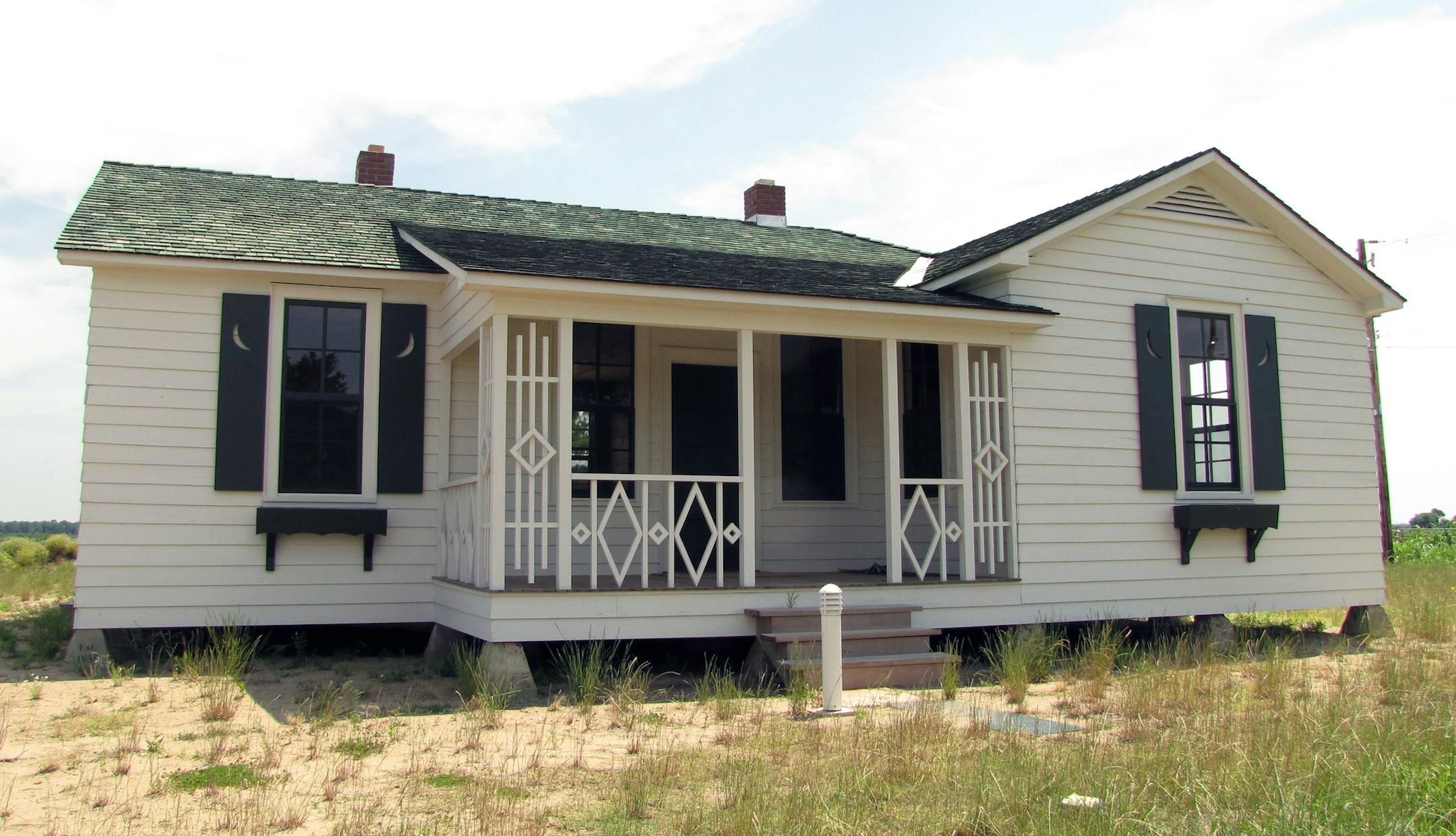
But in the distance, a tiny, snow-white house winks cheerfully. Handsomely decorated with evergreen accents, its crisp, clean lines emanate coolness and serenity. Inside, the pleasant smell of new construction hangs in the air, an intoxicating mélange of freshly cut timber, linoleum resin and paint that's not quite dry. It's the scent of promise and hope, of new beginnings and endless possibilities. No wonder Carrie Cash keeled over and wept when she first stepped inside in 1935.
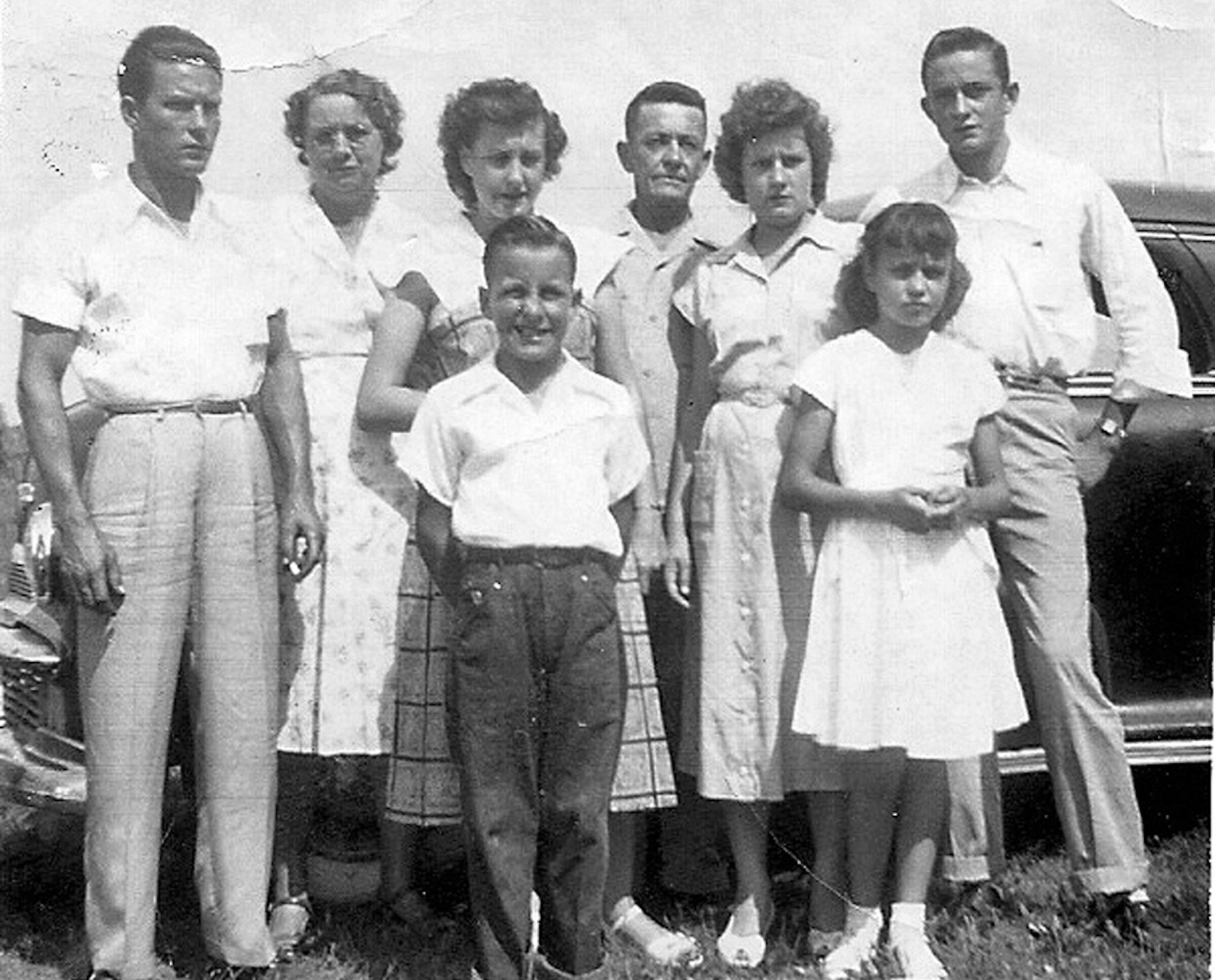
She and her husband, Ray, were the parents of country music legend J.R. "Johnny" Cash. Johnny was 3 when he and his family — which included siblings Roy, Margaret Louise, Jack and Reba — moved into their new home. The five-room house was compact for a family of seven, but to the Cashes, it was a godsend.
A stroke of luck had brought them to northeastern Arkansas. The Cashes had been struggling to eke out a living when they were selected as one of 500 families to form an experimental planned community, Dyess (pronounced Dice) Colony. Part of President Franklin Roosevelt's New Deal, the Depression-era agricultural resettlement program gave participants 40 acres of land and a mule, plus a new home. The colony also offered residents a communal cannery and cotton gin.
Starting May 1, visitors can learn about the program and the Cashes when Historic Dyess Colony: Boyhood Home of Johnny Cash opens to the public. Created through a partnership between Arkansas State University (ASU) and the City of Dyess, the $3.6 million heritage tourism site will include exhibits on Dyess Colony and the Cashes, plus tours of the home.
Johnny's real home
For years, Johnny Cash fans from across the globe flocked to Dyess — often after visiting Elvis Presley's Graceland home in Memphis, about an hour south — for the chance to peer at his childhood home from the road. The numbers increased after the popular Cash flick "Walk the Line" was released in 2005. But while the home was one of the few colony structures remaining, it had devolved into a leaning, weathered shack. This didn't sit well with Joanne Cash Yates.
Yates and her younger brother, Tommy Cash, are Cash's youngest two siblings, born after the family moved to Dyess. "Johnny Cash quit going over [to see the house] because it was so about to fall down," recalls Yates. "I remember him saying, 'I don't want to go back, because that's not how I remember that house.' "
Dyess Mayor Larry Sims also was distressed about the flood of visitors regularly gaping at the ramshackle home. "Seeing it was giving people the wrong impression — that Johnny grew up in an old, dilapidated house," he says. "When Johnny Cash lived there, it was a brand new house."