

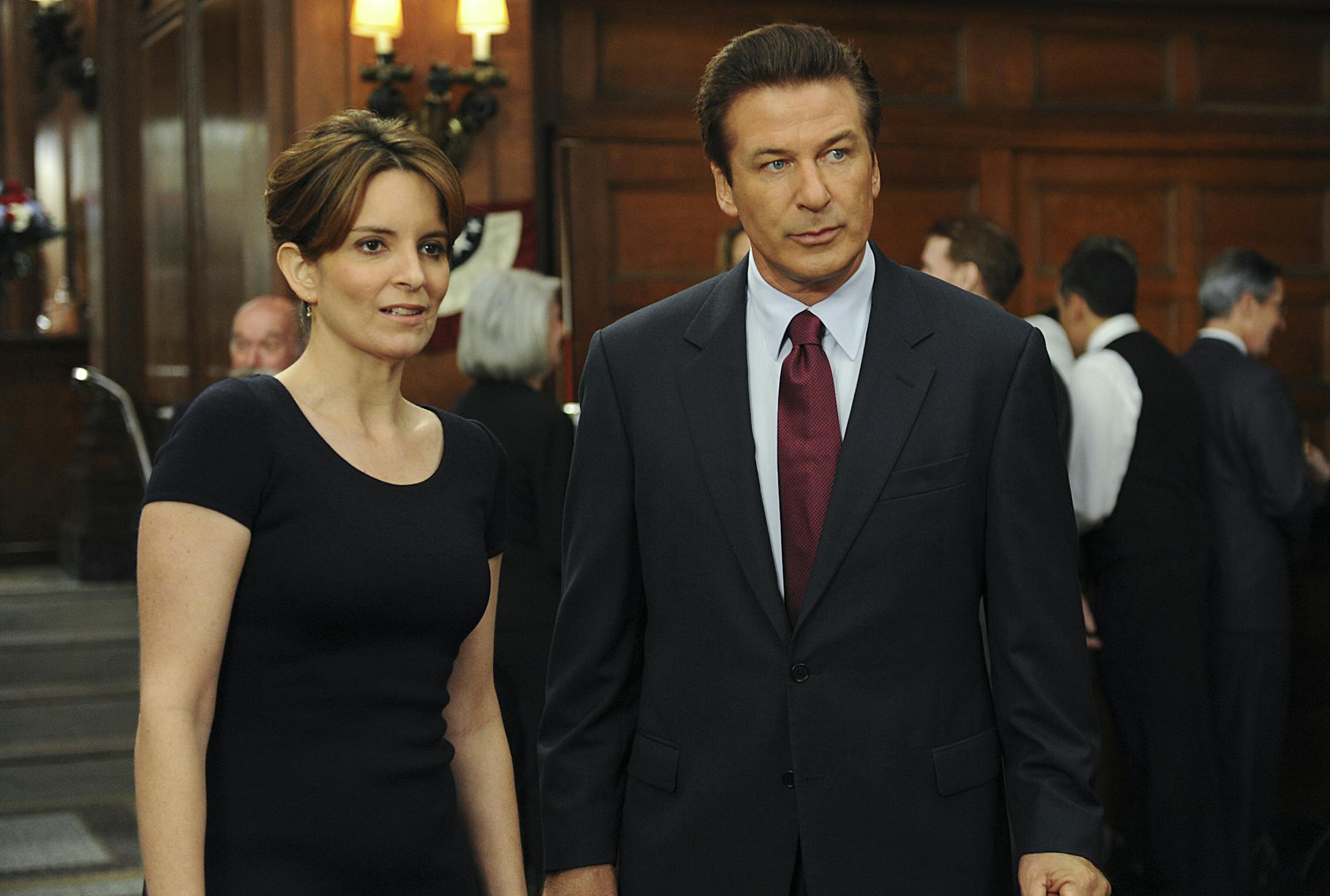
On Sept. 18, 2006, NBC debuted a highly anticipated series from one of TV's hottest writers, taking viewers behind the scenes of a variety show with more than a passing resemblance to "Saturday Night Live."
It was Aaron Sorkin's "Studio 60 on the Sunset Strip" — and it faded after just 22 episodes.
Three weeks later, the network introduced a similarly themed show that faced even longer odds. Tina Fey had a successful run as "Saturday Night Live's" head writer and had managed to make Lindsay Lohan look like a major comedy star in 2004's "Mean Girls," but when it came to cranking out a weekly sitcom, she was an untested entity.
"30 Rock" would go on to collect 103 Emmy nominations and three wins for best comedy series. It will conclude with a one-hour finale Thursday after seven seasons.
You're forgiven if you didn't know the show was closing up shop. NBC has been too busy heralding the wonders of "The Biggest Loser" to give the series a proper sendoff. Maybe it's because viewership has been slipping since the 2008-09 season, and even then it only finished 69th in the Nielsen ratings.
That's too bad. "30 Rock" deserves better, as does Fey, the ringmaster both on camera and behind the scenes. Lucille Ball, Mary Tyler Moore and Roseanne Barr may have blazed the trail, but Fey made it to the mountaintop, where she can rightly claim to be the most important woman in TV comedy history.
Someday, TV Land will erect a statue in Rockefeller Plaza of her character Liz Lemon wolfing down a street vendor's hot dog. Until that much-deserved tribute, let's break down the Fey Formula:
• Get by with a lot of help from your friends. Thanks to a nine-year stint at "SNL" and her non-diva personality, Fey has one of the richest Rolodexes in show business. She used it to recruit Tom Hanks, Jennifer Aniston, Jerry Seinfeld and just about anyone else who ever appeared in an issue of People magazine.


