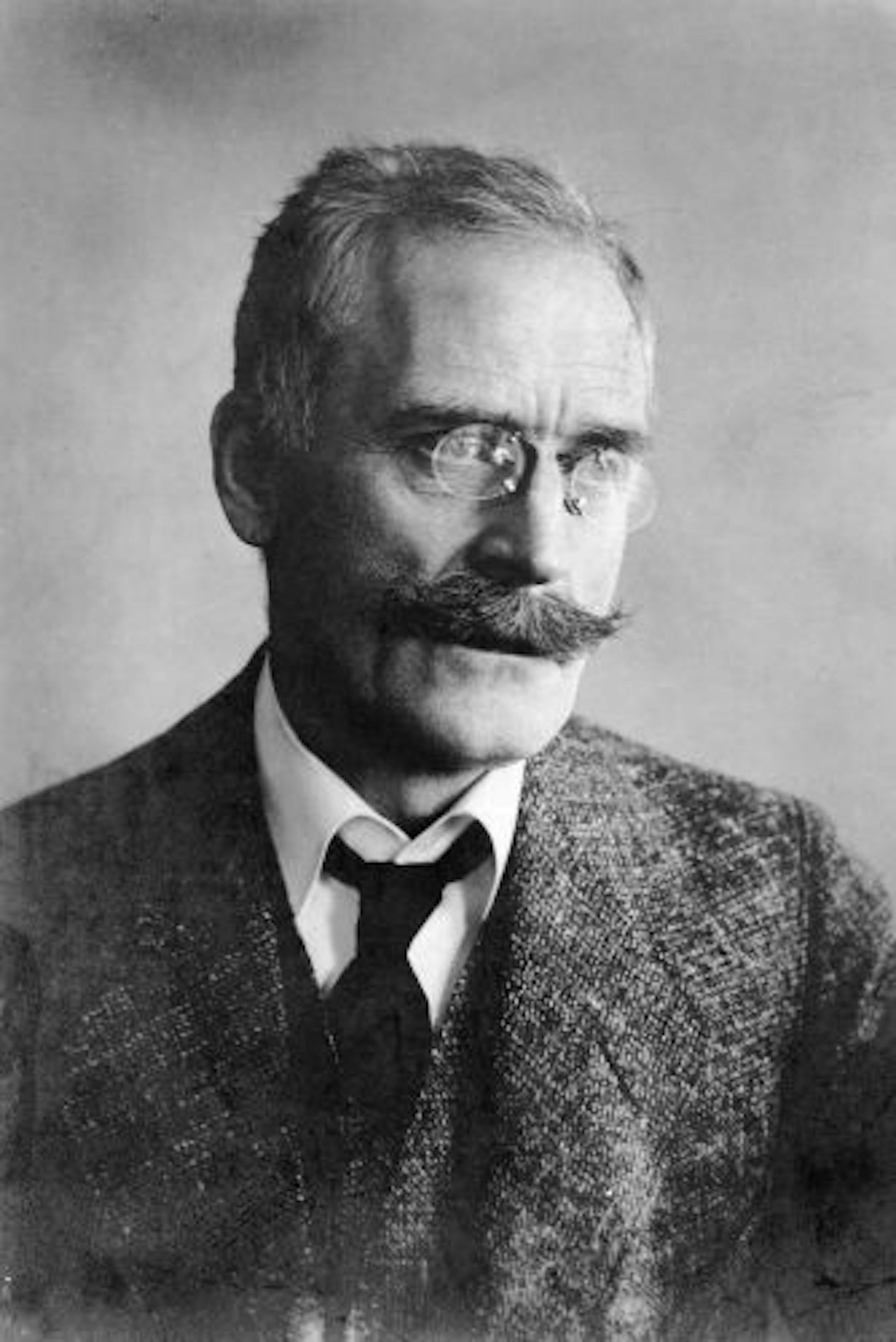
When Norway this year marked the 150th anniversary of novelist Knut Hamsun's birth, the exhibition included manuscripts of some of his greatest works, including "Pan" and "Growth of the Soil." It also included pieces of "the other Knut Hamsun," such as the obituary he wrote for Adolf Hitler: "He was a warrior, a warrior for all mankind and a preacher of the gospel of rights for all nations. He was a reformer of the highest rank."
What should we think of Hamsun? The question has long bedeviled people who admired his literary greatness but recoiled from his championing of Nazi Germany.
"The whole school of fiction in the 20th century stems from Hamsun," Isaac Bashevis Singer declared in 1967, 15 years after the Norwegian's death. But, said Norway's Queen Sonja as she left the 2009 Hamsun exhibition, "I think we'll have to keep two thoughts in our head at the same time."
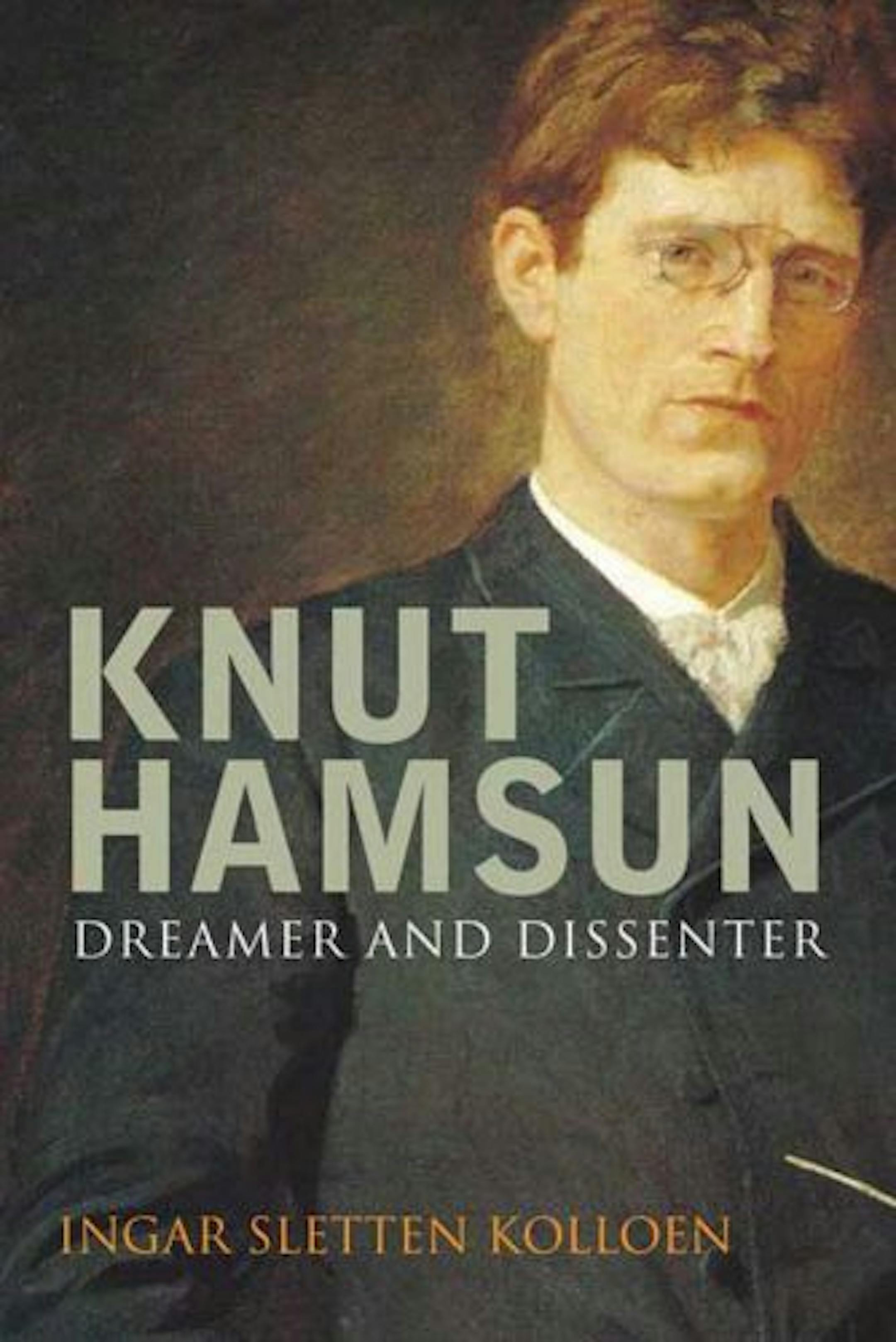
"Knut Hamsun: Dreamer and Dissenter" is a translation of Ingar Sletten Kolloen's two-volume biography, published in Norway in 2003-04 and informed by Kolloen's access to Hamsun's letters and documents from his postwar trial for treason.
Hamsun's affinity for Germany was partly because of the great success his books and plays had there. He was "a Nordic Wagner," whose writing reflected a neo-romantic longing for the natural order of a bygone day. But his embrace of Germany and Hitlerism also had roots in his lifelong fear of Great Britain and contempt for the United States.
In March 1884 he was living in Minneapolis, in the home of a Norwegian Unitarian minister, lecturing and gathering themes and characters for his writing. "Nothing is beyond my comprehension," he wrote to a friend. "And things other people struggle with, theories and rules and figures, I grasp in a flash -- things just seem to reveal themselves to me."
Failing in his early attempts to take the Norwegian literary establishment by storm, he returned to the United States in 1886, sleeping in boxcars as he looked for farm work in Minnesota and North Dakota. The admiration that Hamsun had felt for American democracy soon was replaced, Kolloen writes, "by a deepening distrust of what he would soon term the despotism of democratic freedom."
Back in Norway, he lashed out at the reigning giant of Norwegian literature, Henrik Ibsen, and others. "For years they have hoodwinked us. These are books written by old men, scraped together with quivering hands, written from a state of emptiness and lack of inspiration."