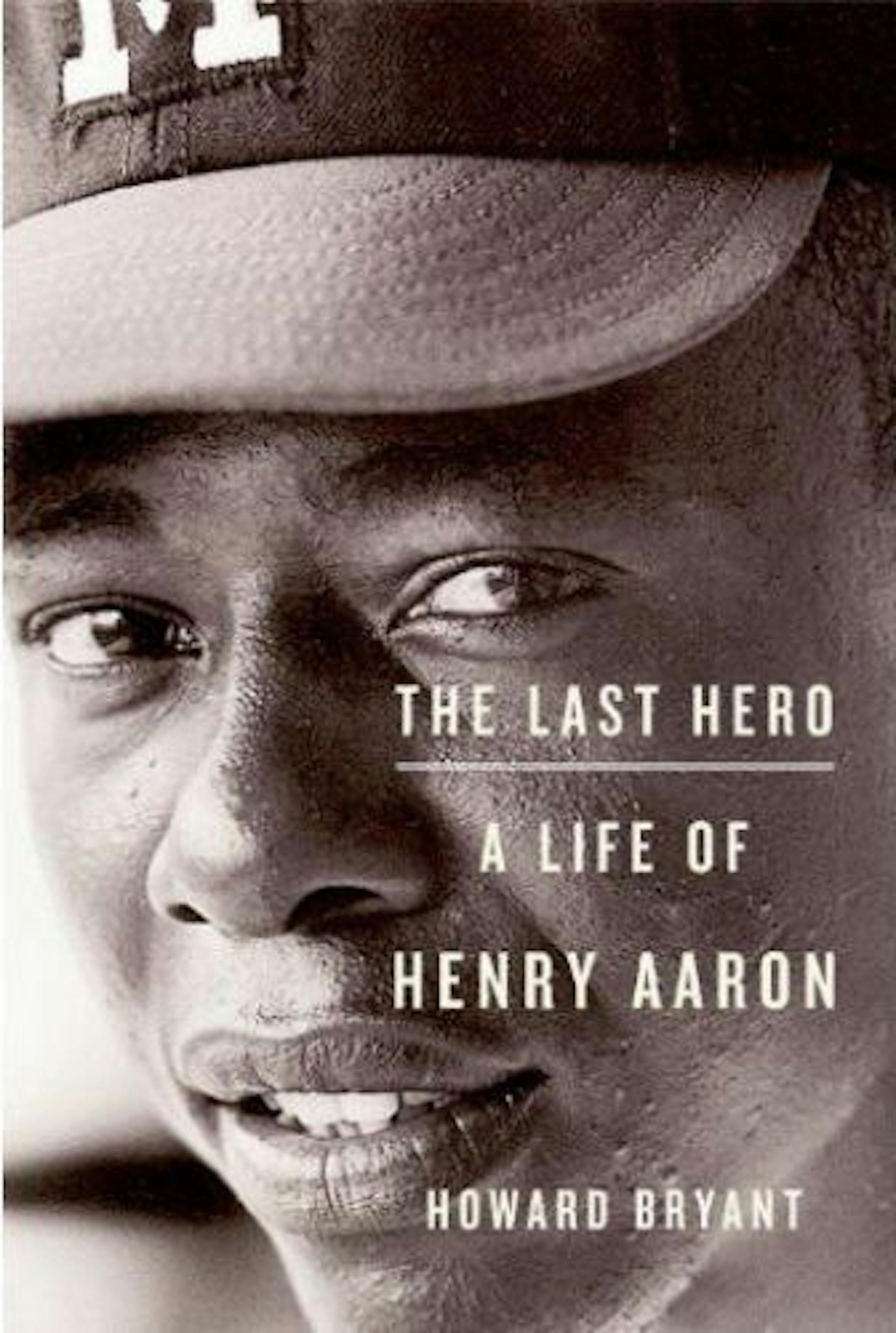
Just when it seemed that all the big baseball subjects had been done, Howard Bryant checks in with "The Last Hero: A Life of Henry Aaron," which, amazingly, Aaron had to wait 34 years to get.
Bryant, author of "Shutout," the definitive study of race in baseball, is a great writer for a great subject. Henry Aaron's story is the epic baseball tale of the second half of the 20th century, in many ways the equal to Jackie Robinson's. Henry, as he prefers to be called, not only helped integrate the Southern minor leagues, he became the first great major-league hero of the South when the Braves moved to Atlanta in 1966.
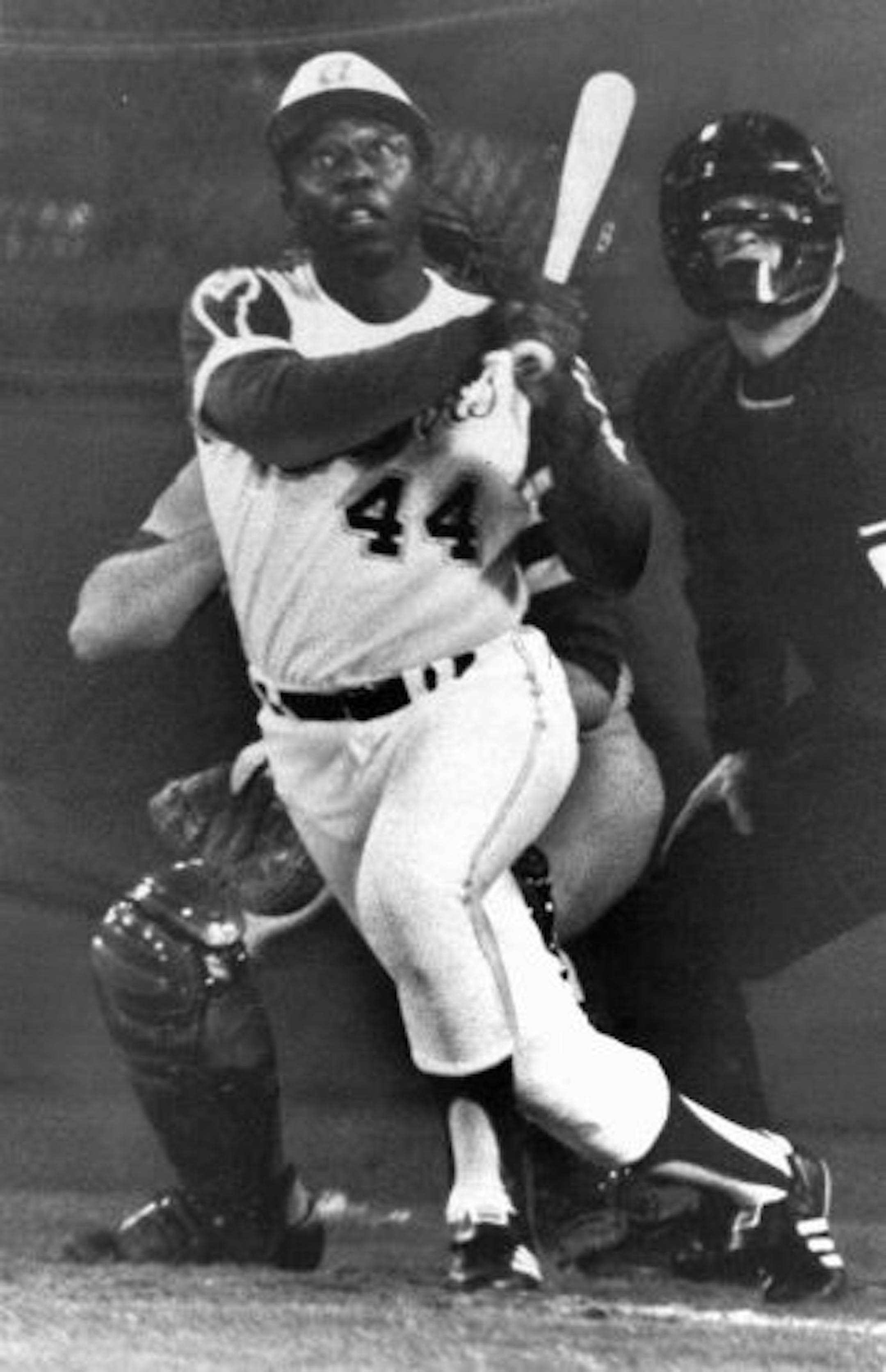
It was perhaps fortunate that Aaron, who did not like New York City, moved, along with his team, to Atlanta, described by Bryant as "a city with a restless business community and a political landscape undergoing a revolutionary transition, one that would either exacerbate or soothe the racial conflicts that branded the region and divided the nation." For many of us, the New South began on April 8, 1974, when Aaron, at the now vanished Fulton County Stadium, lashed into a fastball delivered by the Los Angeles Dodgers' Al Downing and surpassed Babe Ruth's career record of 714 home runs.
Dodgers announcer Vin Skully, who broadcast the game to much of the nation, said it best: "It is over. And for the first time in a long time, that poker face of Aaron shows the tremendous relief. ... What a marvelous moment for baseball. What a marvelous moment for Atlanta and the state of Georgia. What a marvelous moment for the country and the world."
That "poker face" and quiet dignity were Aaron's trademarks for decades, but they often served to keep fans and sportswriters at arm's length. In truth, it wasn't until Barry Bonds approached Aaron's record that No. 44's stature grew in the eyes of most Americans. Aaron himself summed up the continuing debate over whether he or Barry Bonds is the all-time home run champion: "Barry Bonds?" he said at the dedication of a plaque to commemorate his last home run, number 755. "I don't even know how to spell his name."
The true irony is that for nearly two decades before Aaron surpassed Ruth, he played in the shadow of Bonds' godfather, the more charismatic fellow Alabamian Willie Mays. Bob Costas best defined the difference between Mays' image and Aaron's: "Fans associate Willie Mays with fun. With Henry Aaron, it is all about respect."
Allen Barra writes about sports for the Wall Street Journal. His latest book is "Yogi Berra, Eternal Yankee," now available in paperback.