

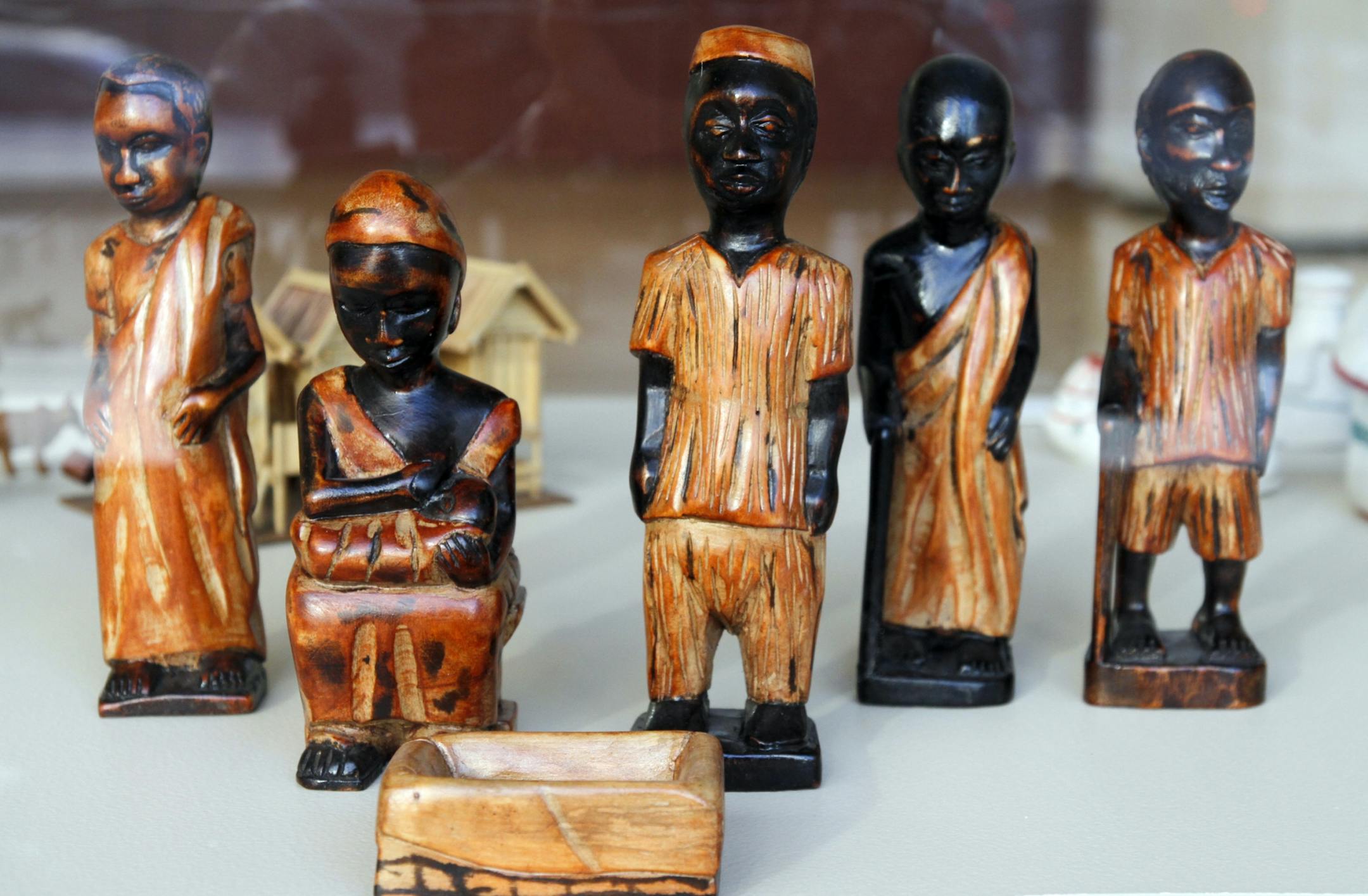
Even non-Christians can warm to the Nativity story at the heart of the Christmas season because we've all been there. If not as a mother cradling a newborn, each of us was once a drowsy little lump wrapped in whatever swaddling clothes came to hand -- strips of linen, soft rabbit fur or a bottom-snapped onesie.
For centuries, that universal experience has inspired artists, especially such Old Masters as Rembrandt van Rijn, Albrecht Dürer, G.B. Tiepolo and other European art stars. These are the talents featured in "The Nativity," an elegant and absorbing show of 38 etchings, drawings and other exceedingly rare works-on-paper from the Thrivent Financial Collection of Religious Art on view in downtown Minneapolis through Feb. 17.
Enhanced with excellent background information and biblical quotations, the show is wonderfully informative and a pleasure to view.
Dozens of contemporary crèches from around the world are also on display through Dec. 31 in the corporate headquarters of Thrivent, the financial organization formerly known as Lutheran Brotherhood. Multicultural in origin and style, the crèches range from Russian nesting dolls to Ecuadorean figures made of bread dough, a Swedish log cabin, naturalistic carvings from Ghana, and a wood-veneered pop-up book from Bangladesh. Most are intended for tabletops, but one is about two-thirds human scale. The sculptures are on loan from the Westminster Presbyterian Church, also in downtown Minneapolis.
Nativity scenes must have had an even more primal appeal in past centuries, when infant mortality clouded every horizon, crippling childhood diseases were rife and vaccines unknown. Here was a family-centered religion that celebrated life from the moment of conception, sent shepherds and kings to marvel at a newborn, and beamed in angels to brighten the heavens. From the Renaissance on, artists amplified the "wow" factor in all this, turning out grand paintings to decorate churches and inexpensive prints to be cherished at home.
From Holy Land to Europe
Thrivent's display retells the familiar story in a series of loosely sequential images that often incorporate clothing and domestic details of their time. Though the biblical events occurred in ancient Judea and Egypt, where camel caravans plodded past pyramids, European artists recast the past closer to home.
In his postcard-sized "Annunciation" of 1510, Dürer depicts Mary as a devout middle-class German woman reading in her cozy bedroom when the angel Gabriel pops in and a dove drops down from heaven. Rembrandt's "Holy Family" of 1632 shows the contented threesome in a bedroom nook where Mary, having tossed off a slipper, nurses the babe and Joseph, wearing a stocking cap, reads in the background. Centuries later, French artist Maurice Denis sets his "Visitation at the Villa Mountrouge" in a typical French village circa 1896 where Mary arrives by pony cart to tell her nun-like cousin Elizabeth the big news about her pregnancy in a walled garden lined with espaliered fruit trees. So French!


