

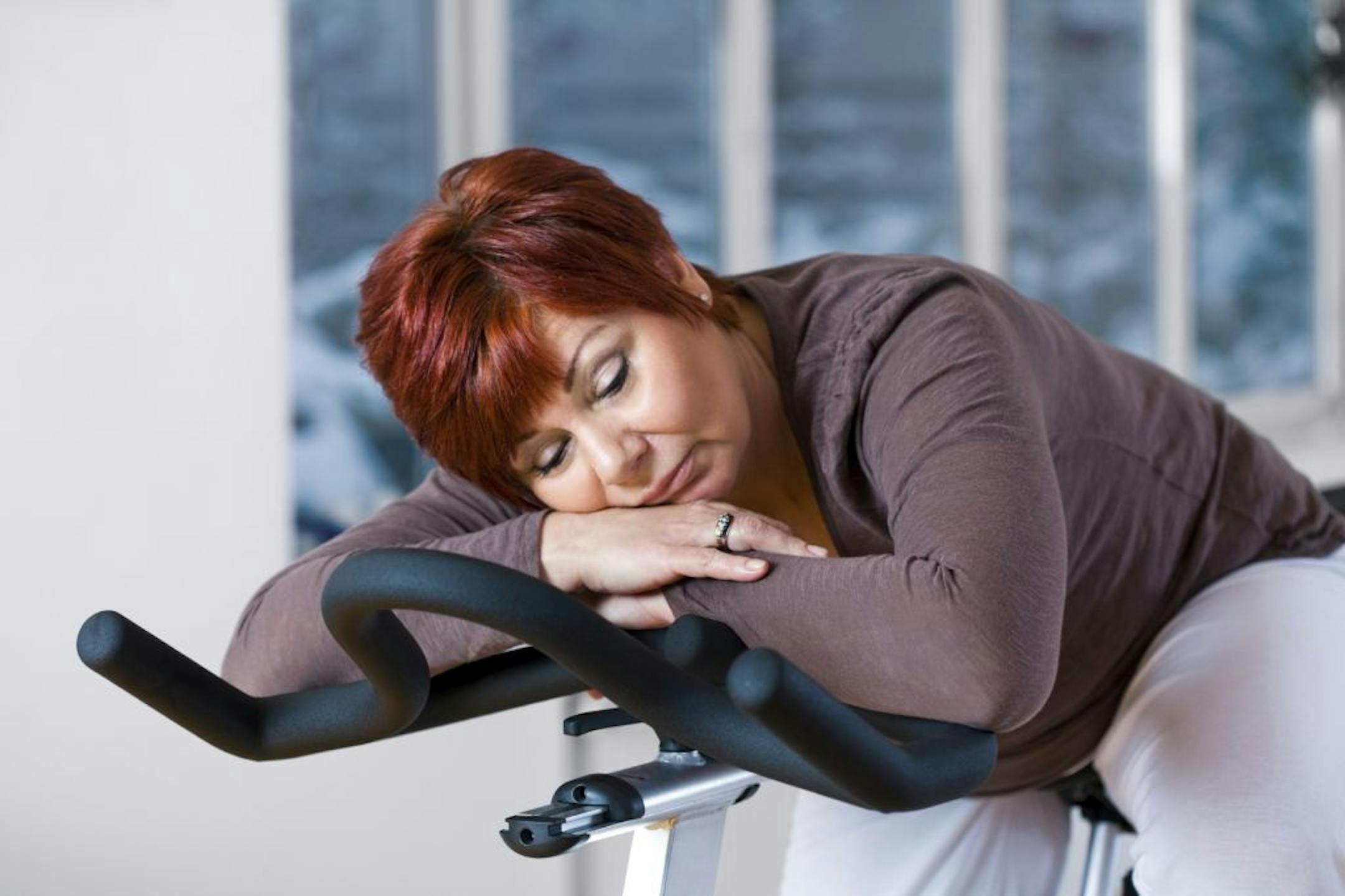
Sleep can be a deciding factor in fat loss. In fact, you can do everything right in terms of diet and exercise but if your sleep quality and sleep quantity don't match your goals, your results will be disappointing.
The less rested you are, the less self-discipline you have, so choices that were once easy (eating the reasonably tasty and healthy lunch you packed for yourself vs. ordering pizza) are now difficult. In addition to limiting your ability to make good choices, less sleep makes you hungry. It prompts you to eat more when your body doesn't need it. This is why sugar is so fattening -- sugar calories are "phantom calories" that your brain doesn't register in regulating your appetite.
Lack of sleep seems to directly and negatively affect your metabolism. You can take two groups of people doing the same diet and exercise program, but cut one group's sleep in half and that group will lose 50 percent less fat, plus lose 50 percent more lean body mass.
In our society we all seem to be time-crunched, especially those with children. The good news is that you may not necessarily need to devote a lot more time to sleep. Eight hours of relatively poor sleep will still leave you looking and feeling like crap, while six hours of great sleep can have you feeling like a million bucks. The bad news is that most people can't really look and feel the way they want with less than six hours of quality sleep.
How to improve sleep quality
1. No TV or work in bed. You want your bed to be a place of sleep. You don't want your body to associate the bed with mental stimulation like TV and work. If you watch TV in bed over and over, your mind will associate the two, conditioning your mind to be "on" in bed, which kills sleep quality.
2. Consistent wakeup and bedtime. Sure, it feels good to sleep in four hours on Sunday. But the older you get the more likely that late wakeup time means you're going to lie awake half the night Sunday and wake up like a zombie Monday. Restful sleep requires you to be tired at the end of the day. If you're awake for only 12 hours, and not doing much, then your sleep (and fat loss) will suffer.
3. No caffeine after a certain point in the day. For men it is 4 p.m. For others, it's noon. Caffeine prevents sleep no matter how tired you are.


