
6 Palestinian films at Twin Cities Arab Film Festival focus on human stories

Filmmaker Laila Abbas travels to Minnesota from Ramallah for opening night.

The Minnesota Star Tribune
September 23, 2025 at 11:00AM
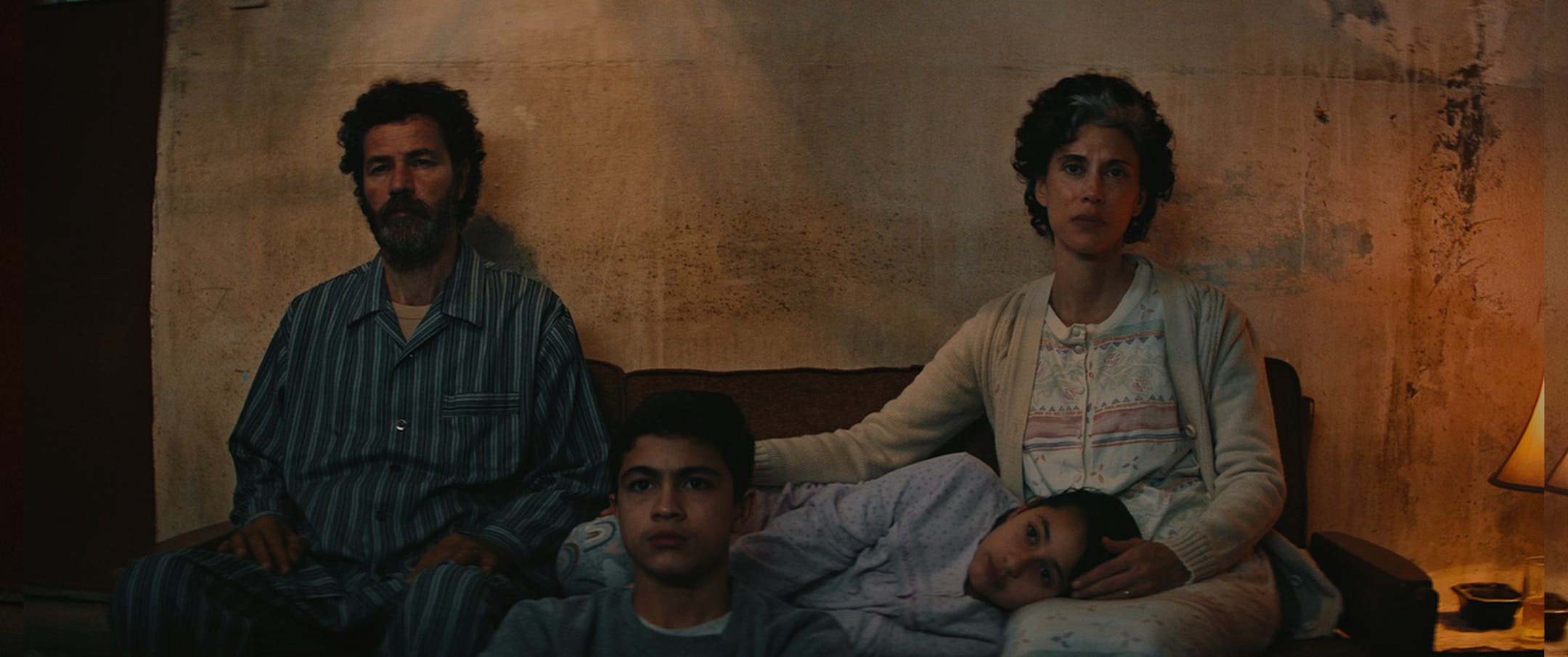
Cherien Dabis' film "All That's Left of You" focuses on a Palestinian family's story from 1948 to 2022. (Cherien Dabis)

Palestinian films at this year’s Arab Film Festival offer diverse takes on life in the region.

Twenty-three films from across the Arab world tell stories of empathy, friendship, intergenerational trauma, complicated family dynamics and more. A quarter of the films center on Palestinian narratives.

The five-day festival includes screenings, workshops, talkbacks and a two-day intensive filmmaking class.

“The Palestinian selections at this year’s festival bring necessary, human narratives to our audience,” said Lana Barkawi, executive director of Mizna, a Twin Cities Arab, Southwest Asian and North African arts organization. “We are nearly two years into a heightened U.S.-funded genocidal campaign by Israel on the people of Gaza.”

Last week, a United Nations commission investigating the war in Gaza said Israel is committing genocide against Palestinians. Israel has rejected that claim.

More than 68,000 Palestinians have been killed since Oct. 7, according to the Gaza Health Ministry. More than 1,900 Israelis have been killed since Oct. 7, according to the Israeli Ministry of Foreign Affairs.

A still photo from Laila Abbas' opening-night movie "Thank You For Banking With Us." (Laila Abbas)

Film programming curator Michelle Baroody said she wants the festival to provide a safe space for community.

“We want people to not feel like they have to justify their politics,” Baroody said. “So many of us have to silence ourselves.”
Ramallah-based filmmaker Laila Abbas, director of “Thank You for Banking With Us,” will be in Minnesota opening night for a post-screening discussion.

Films represent people from many corners of the Arab world: Palestinians, Lebanese, Tunisians, Egyptians, Mauritanians, Sudanese, Yemenis, Iraqis and more.

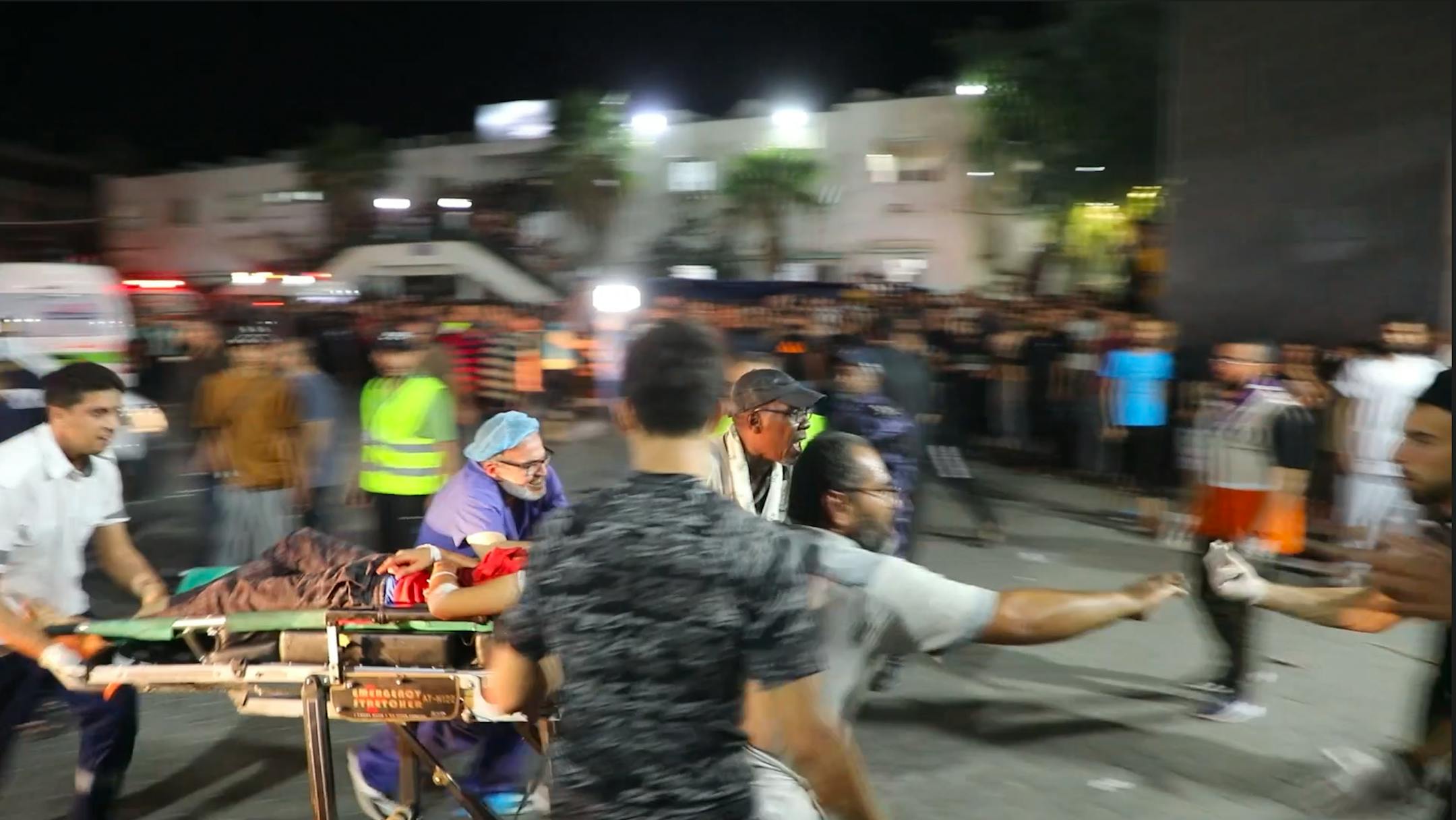
In this scene from "A State of Passion," Dr. Ghassan Abu-Sittah rushes an injured person to the hospital in October 2023. (Carol Mansour and Muna Khalidi)

The documentary feature “A State of Passion” captures the humanitarian crisis in Gaza through the eyes of British-Palestinian plastic reconstructive surgeon Ghassan Abu-Sittah.

Lebanese filmmakers Carol Mansour and Muna Khalidi take viewers into Abu-Sittah’s world.

Khalidi got to know Abu-Sittah through working in public health at Palestinian camps in Lebanon, and she and Mansour reached out to him to ask if they could make the documentary.

The film starts with Abu-Sittah’s return to Amman, Jordan, after a 43-day humanitarian trip to Gaza in October 2023. Four months later he met with the International Criminal Court at The Hague in Amsterdam to share photos of the wounded he cared for in Gaza.

Abu-Sittah has volunteered in war zones across Gaza since the late 1980s. He was born a refugee. He also founded the Ghassan Abu Sittah Children’s Fund, providing medical care to children of Gaza and Lebanon.

“We made this film not as a piece of art, but as a tool to be used to shake people into action,” Mansour said.

The film also includes audio messages he sent to his two friends while in Gaza.

Documentary film is one way to reach people. Emmy-nominated Palestinian American filmmaker and actress Cherien Dabis connects with viewers in a different way.

Her feature film “All That’s Left of You” tells the story of a multigenerational Palestinian family from 1948 to 2022.

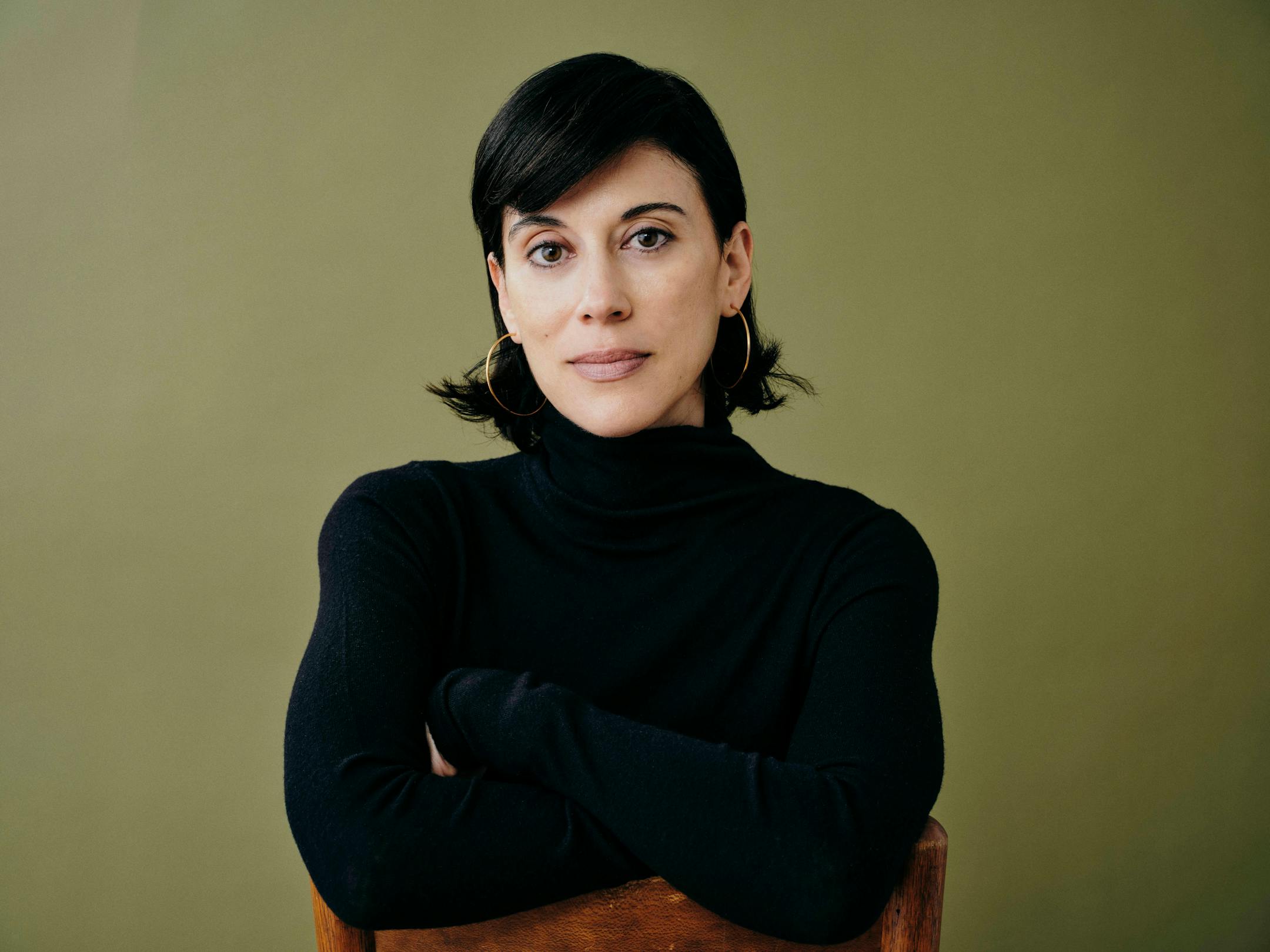
"All That's Left of You" director Cherien Dabis advocates for more Arab American representation on screen. (Stephanie Diani)

For Palestinians, 1948 references “the Nakba,” the Arabic term meaning catastrophe, when Palestinians were forcibly displaced from their homeland by the creation of Israel.

“I just always wondered why the world didn’t know what happened to Palestinians in 1948,” Dabis said. “It is key information to know in order to understand how Palestinians became refugees and how we arrived to where we are today.”

The film focuses on two crucial moments: In 1988, a Palestinian teenager in the West Bank joins protests. In 1948, Israeli soldiers force a Palestinian father off his family’s homeland and orange groves in Jaffa.

Stories Dabis heard from family and friends inspired this fictional tale.

Her father is from the West Bank. He was exiled in 1967 and couldn’t return to visit his family for 10 years, until he became a citizen elsewhere.

Dabis grew up in Ohio, spent summers in her mother’s home country of Jordan and visited the West Bank as a child.

Throughout the film, Palestinians living outside the region ask when they can go home.

“The pain of returning to your homeland and seeing it just completely disintegrated, completely changed, like almost unrecognizable and feeling like an outsider — that is a pain I viscerally know,” she said. “It’s one of the heartaches that was passed down from my father to his kids.”

19th Arab Film Festival

When: Sept. 24-28

Where: The Main Cinema, 115 SE. Main St., Mpls., and Walker Art Center, 725 Vineland Place, Mpls.

Cost: $8-$16 individual tickets, $30-$42 four-pack tickets, $75-$85 for all-access pass

about the writer

about the writer

Alicia Eler

Critic / Reporter

Alicia Eler is the Minnesota Star Tribune's visual art reporter and critic, and author of the book “The Selfie Generation. | Pronouns: she/they ”

See Moreicon