
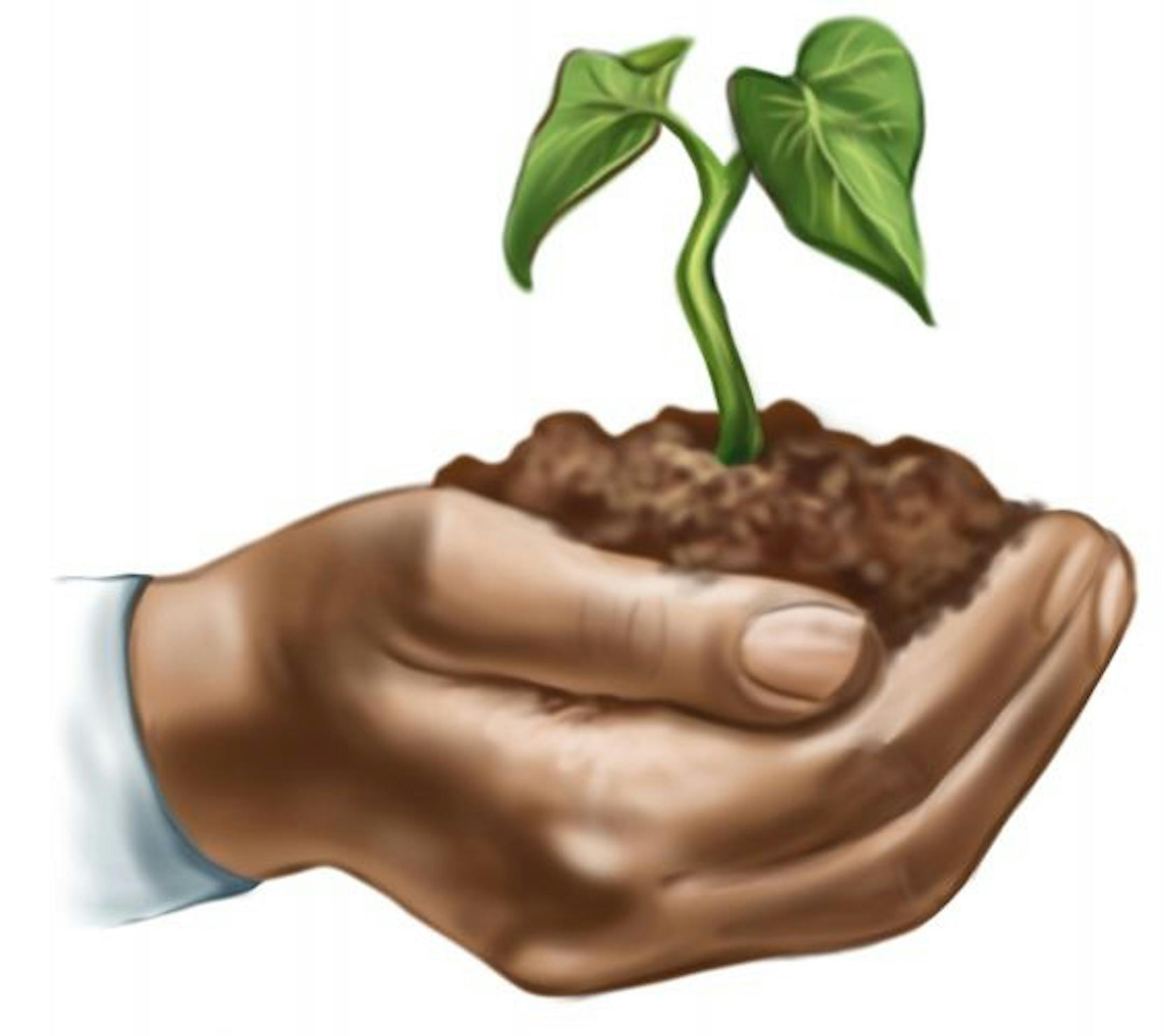
5 seed-starting basics

Starting vegetables and flowers from seed can save money, allow you to choose from a wider variety and help you get an early start on spring.

March 10, 2009 at 7:38PM
(Star Tribune/The Minnesota Star Tribune)

One of the best ways for gardeners to hasten the arrival of spring is to start seeds indoors. Aside from the psychological boost, there are practical benefits to sowing seeds indoors. You can grow the newest, hard-to-find or unusual varieties that might be unavailable at local garden centers. And buying seed should cost less than buying plants.

While plenty of flowers and vegetables benefit from being started indoors, others do best when sowed directly into the garden. Don't waste your time trying to start cosmos, bachelor buttons, zinnias or lettuce, spinach, peas, beans, carrots, beets and sweet corn from seed.

If you've never started from seed before or need a refresher, here are some basics:

Time it right

Don't start seeds too early. If you do, you're likely to end up with spindly plants or plants that are too large to make the transition to the garden easily. So read the seed packets carefully to see how many weeks it takes to grow plants to transplant size, then count backwards from when you would normally plant them outdoors. Some -- such as pansies, sweet alyssum, cabbage and broccoli -- can be planted outside when nighttime temperatures still dip close to freezing. But most other plants, including tomatoes, peppers and most flowering annuals, must wait until soil temperatures have warmed and all danger of frost has passed.

Choose your containers

Garden centers offer a wide array of seed-starting paraphernalia, including trays, peat pots, expandable peat pellets and many types of divided cell packs. Plants started in cell packs can be popped right out of their containers with minimal root interruption when transplanting. Peat pots and pellets can be planted directly into the garden without disturbing roots at all. (When using peat pots, it's a good idea to make vertical slices in each pot so roots can move beyond the containers unrestricted.)

Whichever containers you use, make sure they're clean.

Sow the seeds

Fill your containers with a fresh, sterilized potting mixture designed specially for starting seeds. It should be a lightweight mix that will drain well, but retain enough moisture for developing roots.

Not every seed will germinate, so you'd be wise to plant two seeds per cell or pot, unless the seeds are expensive. If both seeds do develop, you can cut the weaker plant out after they've grown for a couple weeks. Refer to the seed packet for planting depth.

Water the potting mix thoroughly by setting the containers to soak in a pan of water until the surface of the potting mix feels moist, or by watering from the top using a gentle spray.

Cover the containers or place them in a plastic bag to retain moisture and block light, then set them in a warm location to hasten germination. Special heating mats that speed germination and make it more uniform are nice, but not necessary.

Just add light

Most seeds don't need light to germinate, but once they've sprouted, light is critical. Seedlings placed in a window -- even one with bright sun -- inevitably grow taller and more spindly than those grown beneath fluorescent lights.

Use fixtures that hold two tubes. (There's no need to pay a premium for special plant lights. Ordinary cool white or natural daylight tubes from a home supply store work well.) Suspend the fixtures on chains so they may be raised as the seedlings grow, always maintaining 3 to 4 inches between the lights and the plants.

Run the lights 12 to 16 hours a day. (You can hook them up to an inexpensive timer that turns lights on and off automatically.)

Water and fertilizer

Because constant moisture can result in root rot and poor growth, let the mix dry a bit between watering. Check the surface of the mix regularly and water with room-temperature water when the mix feels slightly dry. Be sure to dump out any excess water that collects in the tray.

Once seedlings have a few sets of leaves, begin applying a mild fertilizer solution once a week. Use an all-purpose fertilizer, dissolved in water and mixed ¼ strength. If you use fish emulsion or a fertilizer formulated for starting seeds, apply at the rate recommended on the label.

Deb Brown is a garden writer and former extension horticulturist with the University of Minnesota. To ask her a gardening question, call 612-673-7793 and leave a message. She will answer questions in this column only.

1 2 3 4 5

about the writer

about the writer

More from Minnesota Star Tribune

See More
card image
J. SCOTT APPLEWHITE, ASSOCIATED PRESS/The Minnesota Star Tribune

The "winners" have all been Turkeys, no matter the honor's name.

In this photo taken Monday, March 6, 2017, in San Francisco, released confidential files by The University of California of a sexual misconduct case, like this one against UC Santa Cruz Latin Studies professor Hector Perla is shown. Perla was accused of raping a student during a wine-tasting outing in June 2015. Some of the files are so heavily redacted that on many pages no words are visible. Perla is one of 113 UC employees found to have violated the system's sexual misconduct policies in rece