

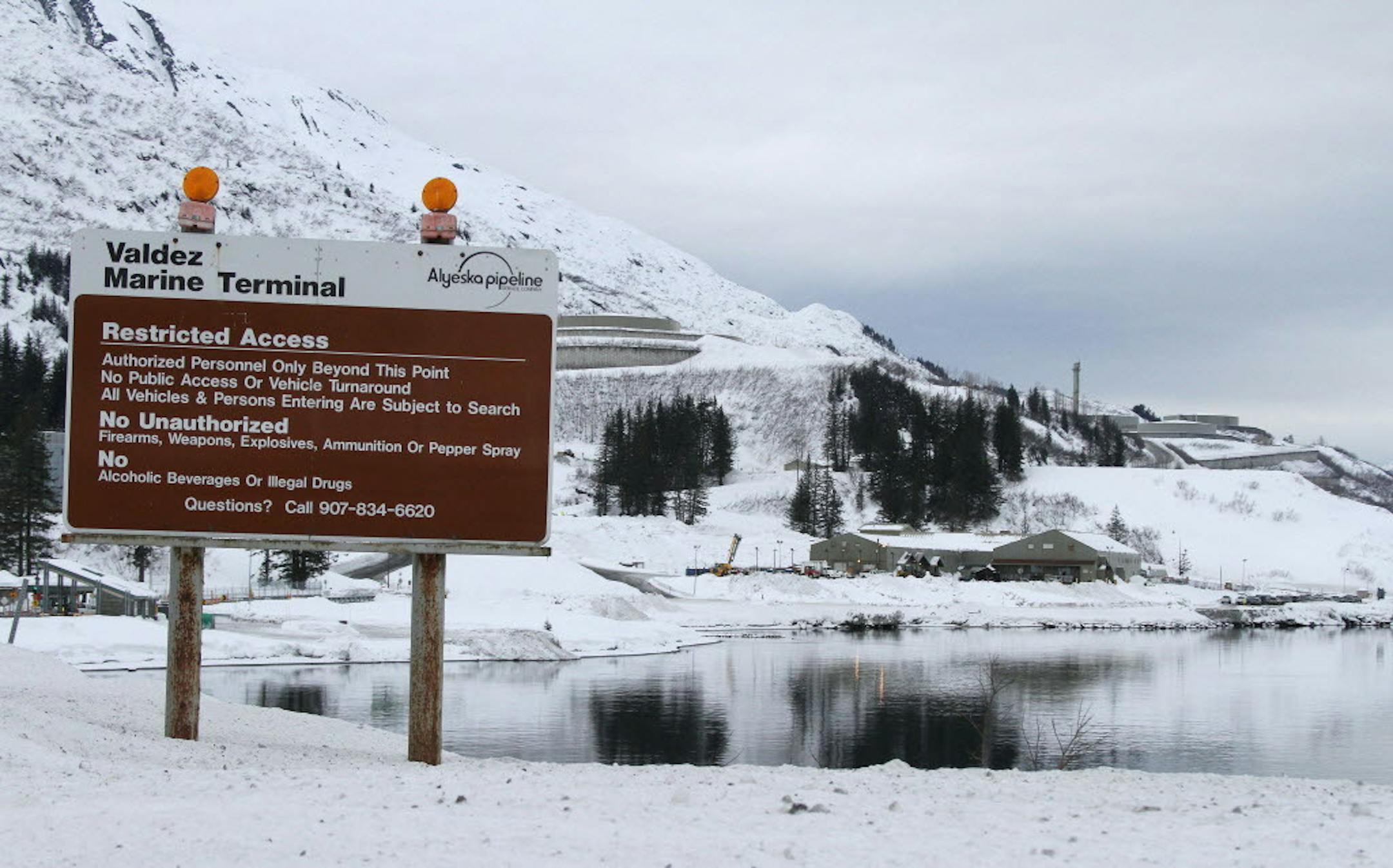
ANCHORAGE, Alaska — Before the Deepwater Horizon oil spill in 2010 in the Gulf of Mexico, there was the Exxon Valdez disaster in Alaska, at the time the nation's largest oil spill.
The 987-foot tanker, carrying 53 million gallons of crude, struck Bligh Reef at 12:04 a.m. on March 24, 1989. Within hours, it unleashed an estimated 10.8 million gallons of thick, toxic crude oil into the water. Storms and currents then smeared it over 1,300 miles of shoreline.
For a generation of people around the world, the spill was seared into their memories by images of fouled coastline in Prince William Sound, of sea otters, herring and birds soaked in oil, of workers painstakingly washing crude off the rugged beaches.
Twenty five years later, most of the species have recovered, said Robert Spies, a chief science adviser to governments on the oil spill restoration program from 1989 to 2002. But some wildlife, as well as the people who live in the region, are still struggling.
Here's a look at what's changed since the spill:
—FISHERMAN
Bernie Culbertson was preparing to fish cod when the Exxon Valdez ran aground. With oil in the water, fishing came to a standstill and life for he and other fishermen drastically changed.
"The bottom fell out of the price of fish," he said. Pink salmon that sold for 80 cents per pound fell to 8 cents per pound. Consumers turned to farm fish or tuna out of fear of tainted salmon. His boat caught 2.5 million pound of pinks one season and lost money.


