

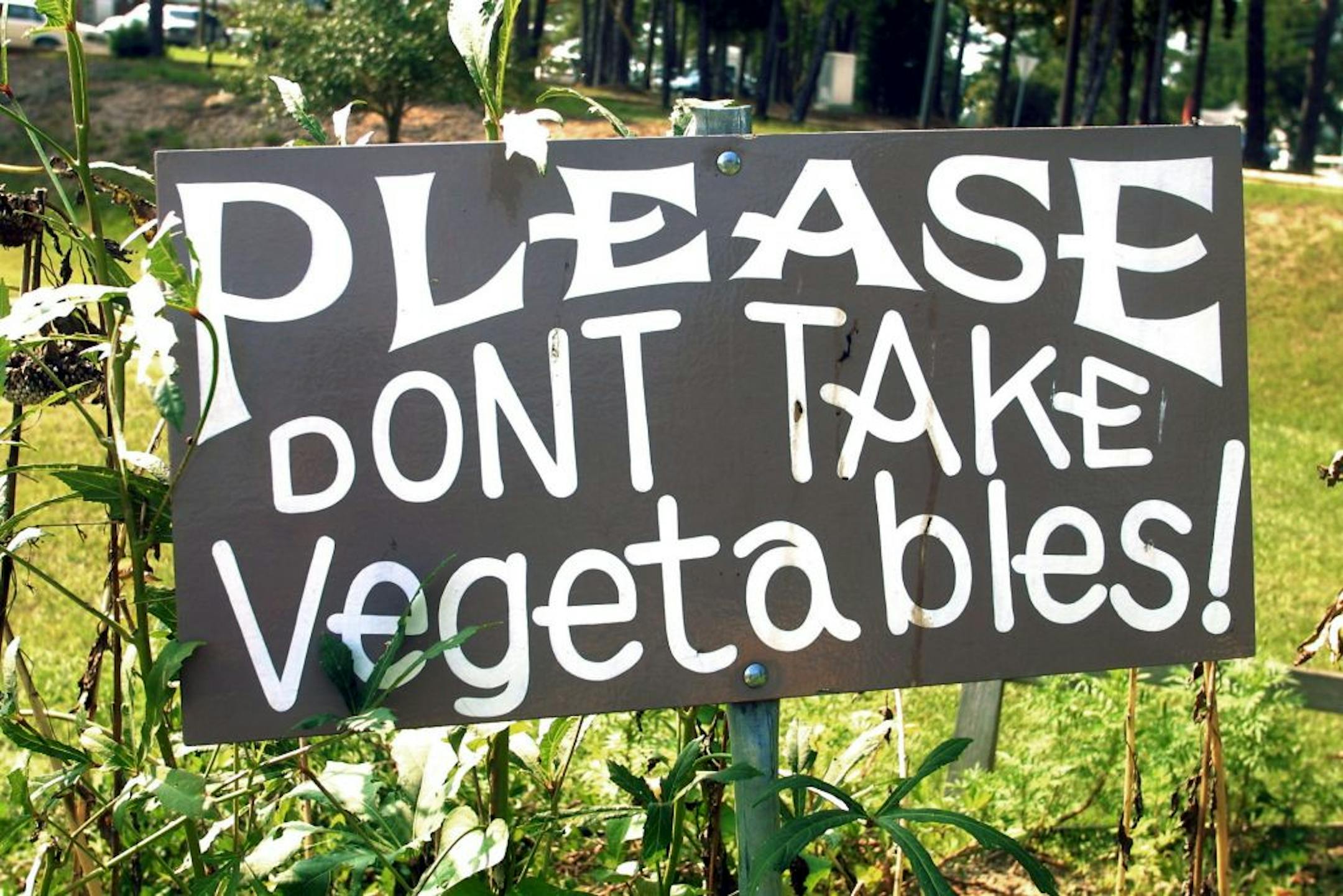
Gardening styles and philosophies can collide in any neighborhood where manicured lawns clash with wildflower plots, so you'd think that community gardeners tending plots shoulder to shoulder would run into trouble. But community gardeners seem to put as much emphasis on community as they do gardening.
Ingrid Phillips, a gardener at Sabathani Community Center, said that all the gardeners at the extensive site in Minneapolis show respect for one another, often lending a hand or offering advice to newbies.
From the suburbs to the city, most community gardens typically post a few basic rules governing behavior at these popular hubs of horticulture. But here are 10 rules to follow to keep the peas -- I mean, the peace -- in any shared garden.
MIND YOUR PLOT
Plots need to be planted by a certain date and regularly maintained. One of the biggest gripes among community gardeners is plots that are untended and weedy. If you, or a fellow gardener, get behind, consider asking the community for help.
KEEP PATHS CLEAR
Gardeners need to be able to negotiate between plots with watering cans and wheelbarrows. Keep the area around your plot clean and consider using wood chips or mesh cloth on pathways.
HONOR THE BOUNDARIES
Good fences definitely make good neighbors. Temporary fences made from mesh, wire or wood help to define the boundaries and keep clumsy feet from crushing tender new seedlings. They also help to deter deer and rabbits.
CONSIDER SHADE
If you're planting tall plants, consider the shadow they'll cast. Some plants, such as corn, can shade out the plants in the next plot. And remember that large, permanent plantings such as raspberries, blackberries and asparagus may be prohibited by the rules of the garden.
CONSERVE WATER
Not all community gardens have supplied water. If yours does, take pains to conserve it. Water early to prevent evaporation. Fix leaky hoses. And don't haul hoses across another plot.


