
Teen suspect in Nudieland mass shooting arrested on murder, assault charges
The teen is charged with aiding and abetting murder and six counts of felony assault.


Wolves smother Suns 105-93 to go up 2-0 in playoff series
Jaden McDaniels (25 points) and Mike Conley (18) stepped up during a quiet offensive night for the Wolves' stars, but the team's second-half defense punished and frustrated Phoenix into disarray.




![Vikings running back Dalvin Cook (33) watched during training camp Wednesday. ] ANTHONY SOUFFLE • anthony.souffle@startribune.com](https://arc.stimg.co/startribunemedia/ZHKH7NZVBNL2RFYGUCXADSN6IA.jpg?h=91&w=145&fit=crop&bg=999&crop=faces)
Opinion
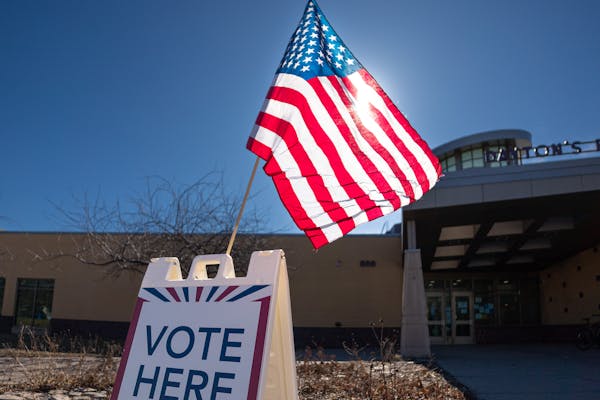
Get rid of Minnesota's precinct caucuses, go to primary elections up and down the ballot
What is perceived as a grassroots engagement of average citizens actually isn't in practice.



Today's Video
https://www.startribune.com
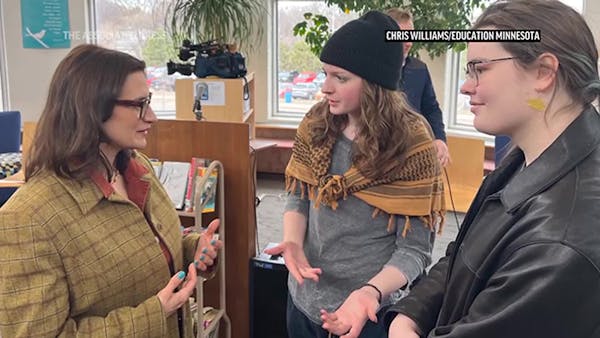
Minnesota legislators propose banning book bans
Minnesota is one of several Democratic-leaning states where lawmakers are now pursuing bans on book bans.



The Latest
-
Yesterday
-
Yesterday
-
Yesterday
-
Yesterday
-
Yesterday
-
Yesterday
-
Yesterday
-
Senate passes bill forcing TikTok's parent company to sell or face ban, sends to Biden for signatureYesterday
-
Yesterday
-
Yesterday
-
Yesterday
-
Yesterday
-
Yesterday
-
Yesterday
-
Yesterday
-
Yesterday
-
Yesterday
-
Yesterday
-
Yesterday
-
Yesterday
Most Read
- Teen suspect in Nudieland mass shooting arrested on murder, assault charges • Local
- Wolves smother Suns 105-93 to go up 2-0 in playoff series • Wolves
- DFL state senator charged with first-degree burglary in break-in at stepmother's home • East Metro
- Mark Craig's first-round mock draft: How will Vikings grab a QB? • Vikings
- Minnesota AG sues Fridley dealership, alleging deceptive sales practices • Business
Follow Us On
Latest Minnesota news, weather, and sports.
Your trusted source for Minnesota news today. Read articles, view photos, or watch videos about news in Minneapolis, St. Paul, Twin Cities Metro areas, St. Cloud, Rochester, and beyond. The Star Tribune is committed to provide more of what matters to Minnesotans. All day. Every day.