
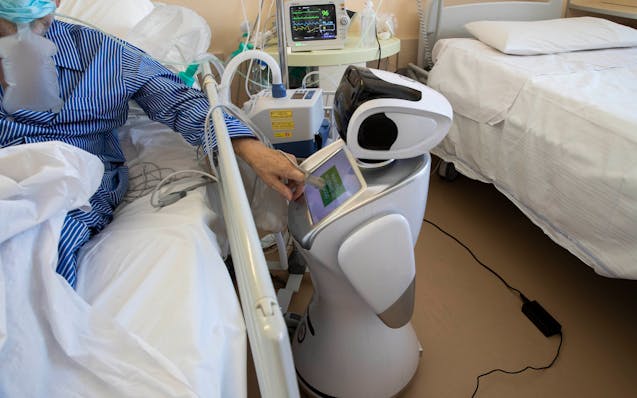
Ramstad: Health care is a tough arena for AI to make a difference
AI models are meeting their match with the complexity of how people take care of themselves.
UnitedHealth Group's CEO made $25 million in 2023
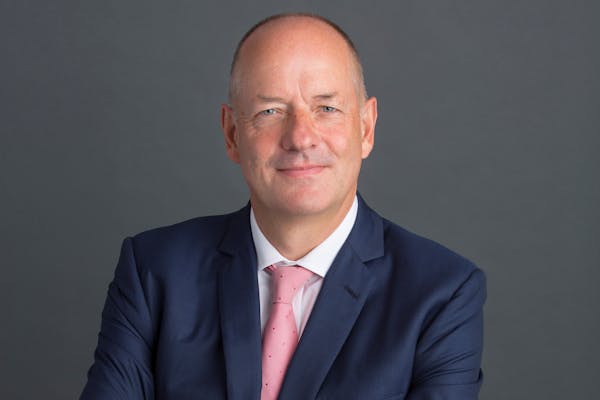
A cybersecurity attack may cost UnitedHealth Group billions, but their CEO made $25 million before the attack.
Icehouse on Eat Street in Mpls. facing eviction for unpaid rent

Chicago-based Northpond Partners is suing for more than $85,000 in unpaid rent.
Local

'He was about community': Scores memorialize north Minneapolis entrepreneur Sammy McDowell
Sammy McDowell, whose namesake eatery served as a hub for racial justice activists, died Sunday.
Local
Two stalled Duluth housing projects move ahead
Together, the projects will add more than 250 apartments to city's inventory.
Business

Minnesota AG sues Fridley dealership, alleging deceptive sales practices
Keith Ellison's office claims Midwest Car Search often targeted Spanish-speakers.
Business

Vista Outdoor gives American investors another chance to raise their bid
Vista's board still prefers the deal with Prague-based Czechoslovak Group but urged MNC Capital to raise its offer.
Business
Xcel's proposed automatic bill credit could save low-income households in Minnesota $450 a year
The company would enroll people in certain census areas based on income metrics and energy bills to help make energy costs just 4% of the household's income.
Business
Is your company on the list of Minnesota's 2022 Top Workplaces?
Worker expectations change at Minnesota firms as pandemic retreats.
Business
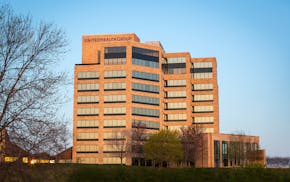
UnitedHealth reveals hackers may have stolen data on a sizable number of Americans
The Minnetonka-based health care giant will offer identity protection and credit monitoring as preliminary investigation suggests hack affected data for a "substantial proportion" of Americans.
Business

Developer of St. Paul's Keg & Case food hall declares bankruptcy
Craig Cohen listed the W. 7th neighborhood project when filing for Chapter 7 bankruptcy with more than $11 million in liabilities.
Business

Delta raises ground worker, flight attendant base pay 5%, affecting more than 5,000 in Minnesota
The carrier is also increasing the minimum starting rate for all U.S. positions to $19 per hour.
Business
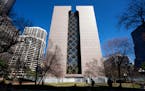
Richfield construction subcontractor sentenced for insurance fraud
Fabian Espinosa, owner of Richfield-based Fabian Espinosa Construction LLC, faces three years' probation.
Local

Minnesota to take the pulse of the Mississippi River, from the headwaters to Iowa border
State regulators will study the health of Minnesota's entire 650-mile stretch of the river this year.
Local
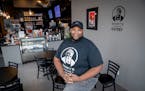
Sammy McDowell, celebrated owner of Sammy's Avenue Eatery on the North Side, dies
Long a fixture of the north Minneapolis community, McDowell opened the sandwich and coffee shop in 2012.
Business
With $324.2 billion in revenue, UnitedHealth again tops list of Minnesota public companies
The top 50 companies as a whole posted revenue of $750.7 billion, up 7% from the year before. However, growth was slower than in 2021.
Business

Money, Work, Know-How
Stories for Minnesotans who want to develop careers, build businesses, find opportunities, make more money and spend it wisely — and about the people who can help them do it.
Business

How to avoid going broke soon after starting a business
From better money management to getting a second job, entrepreneurs share what they do when the business comes first.
Local

Minnesota House lawmakers push forward fertilizer tax to clean up contaminated wells
The tax on farmers, smaller than earlier proposals, cleared a key House committee.
Local
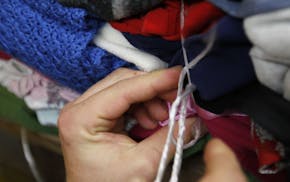
Why you should donate clothing: It (probably) won't end up at the dump
Fast fashion is tough on the climate, but clothes can have second and third lives.
Local

Six southwest Twin Cities area newspapers will publish last issue this week
The Southwest News Media publications are part of MediaNews Group, which is owned by Alden Global Capital, a hedge fund known for gutting and then closing local papers.
Business

How to parry rising insurance costs
Not only is the cost of insurance going up, it's rising faster than it has in almost 50 years.

We've created a new destination for everything agriculture in Minnesota and around the country.
Business

Keeping personal finances simple can improve your well-being
Practical steps include automating the movement of money from checking into savings accounts, similar to automatic withdrawals from your earnings into retirement savings at work.
Business
![Capella Tower at 225 South Sixth St. Tuesday September 6, 2011. ] GLEN STUBBE * gstubbe@startribune.com Minneapolis skyline from the 51st floor of IDS](https://arc.stimg.co/startribunemedia/7C263DJZQTPRDEXI74SMH2M3HI.jpg?h=91&w=145&fit=crop&bg=999&crop=faces)
Two major downtown Minneapolis towers face change as hybrid shuffle continues
Wells Fargo Center is now on the market, and Capella University cuts its space by more than half in the tower that bears its name.
Business

Thrivent has found a way for everyday folks to get a piece of the private equity market
Investors can pay as little as $50 a month to join Thrivent's popular asset allocation funds, which will now carry private equity investments.
Browse Business Sections
Latest Columns



Elsewhere in Business
- Stock market today: Tesla soars as most of Wall Street drifts lower in mixed trading
- Dairy cattle must be tested for bird flu before moving between states, agriculture officials say
- The summer after Barbenheimer and the strikes, Hollywood charts a new course
- The Latest | Germany will resume working with UN relief agency for Palestinians after a review
- A portrait by Gustav Klimt has been sold for $32 million at an auction in Vienna
- TikTok bows to European pressure and halts reward feature on new app in France and Spain
- Texas Instruments, Mattel rise; General Dynamics, Teledyne fall, Wednesday, 4/24/2024
- Boeing posts a $355 million loss as the plane maker tries to dig out from under its latest crisis
- More than 1 in 4 US adults over age 50 say they expect to never retire, an AARP study finds
- The plate as palette: Set the table and the mood with the latest in creative dishware
Most Read
- Surging auto insurance rates squeeze drivers, fuel inflation
- UnitedHealth Group's CEO made $25 million in 2023
- Icehouse on Eat Street in Mpls. facing eviction for unpaid rent
- Biden administration finalizes rule to grant overtime for millions more salaried workers
- TikTok may be banned in the US. Here's what happened when India did it
Business
Complete coverage of business news in the Twin Cities, Minnesota and elsewhere, including Fortune 500 Minnesota companies: UnitedHealth Group, Target, Best Buy, 3M, CHS, U.S. Bancorp, General Mills, C.H. Robinson, Land O’Lakes, Ecolab, Ameriprise Financial, Xcel Energy, Hormel Foods, Thrivent Financial, Polaris, Securian Financial Group, Fastenal and Patterson Cos.
