
Arizona indicts Giuliani, Meadows, 16 others in case over 2020 election
An Arizona grand jury has indicted former Donald Trump chief of staff Mark Meadows and lawyer Rudy Giuliani along with 16 others in an election interference case.

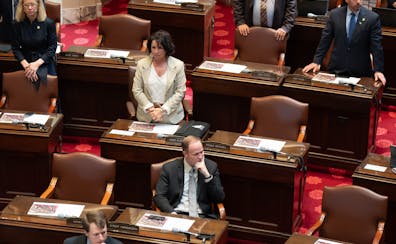
Minnesota Senate GOP files ethics complaint against Sen. Nicole Mitchell
Republicans moved to expedite a hearing on their ethics complaint after the Woodbury DFLer was charged with burglary, but the motion failed in a tie vote.




Opinion
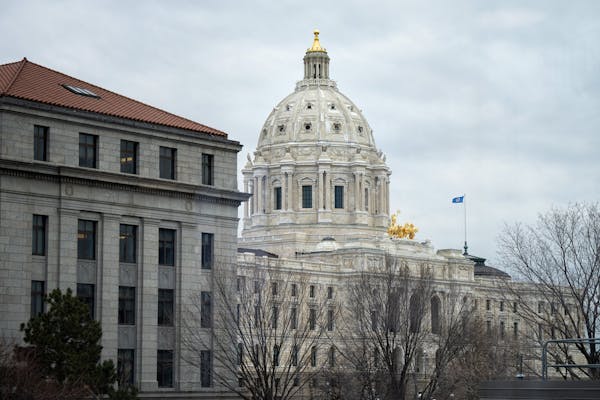
In Minnesota, statistical gloom amid the hope of a progressive-led boom
Renewal is possible, but only if the state turns from a disastrous path. Here's the evidence.




Today's Video
https://www.startribune.com
Riderless horses seen galloping through central London
Five military horses spooked by noise from a nearby building site bolted during routine exercises on Wednesday near Buckingham Palace.




The Latest
-
8:20 PM
-
7:52 PM
-
7:44 PM
-
8:03 PM
-
7:54 PM
-
7:16 PM
-
7:34 PM
-
7:23 PM
-
6:58 PM
-
7:20 PM
-
8:06 PM
-
7:04 PM
-
7:16 PM
-
5:34 PM
-
5:07 PM
-
4:45 PM
-
7:57 PM
-
4:20 PM
-
8:08 PM
-
5:51 PM
Most Read
- Arizona indicts Giuliani, Meadows, 16 others in case over 2020 election • Nation
- Vikings mock draft: seven rounds, eight picks and, yes, one quarterback • Vikings
- Minnesota Senate GOP files ethics complaint against Sen. Nicole Mitchell • Politics
- Wolves' Reid wins NBA's Sixth Man of the Year award • Wolves
- Scoggins: Worried about costly trade up in draft for QB? Vikings bosses shouldn't be. • Vikings
Follow Us On
Most Emailed
- Study: Minnesota's sex offender system is 'failed investment' • Politics
- Review: New North Loop spot Dario a spectacle for talent, pasta and Instagram • Eat & Drink
- Two stalled Duluth housing projects move ahead • Local
- Medcalf: Exonerated of murder, author will speak at our Minneapolis book club about 'life and freedom' • Local
- Old newspaper boxes become life-savers as Twin Cities self-serve dispensaries • Minneapolis
Latest Minnesota news, weather, and sports.
Your trusted source for Minnesota news today. Read articles, view photos, or watch videos about news in Minneapolis, St. Paul, Twin Cities Metro areas, St. Cloud, Rochester, and beyond. The Star Tribune is committed to provide more of what matters to Minnesotans. All day. Every day.